Recommended resources
The freely available resources this lesson will direct you to.
- 5 EASY ways to DOUBLE your engagement on social media | 2026 STRATEGIES | Instagram YouTube & TikTokwww.youtube.com
- Your 2026 Guide to Instagram Engagement | Future-Proofing Your Engagement Strategywww.youtube.com
- How to Nail Social Media Replies as a Brandwearesculpt.com
- Social Media Comments - How to Post and Respondsproutsocial.com
Introduction
Welcome back! In our last lesson, you learned how to craft an X thread to share detailed money-saving tips. As you start publishing more of this valuable content, you'll naturally begin to see comments and direct messages (DMs) from your audience. This is fantastic news—it means people are paying attention!
Engagement, however, is a two-way street. Simply posting content isn't enough; building a successful presence means actively participating in the conversation. How you respond to your community is one of the most powerful tools you have for building a loyal following.
In this lesson, you will learn how to develop a strategy for responding to comments and DMs to build trust and encourage conversation. We'll cover why it's important, how to handle different types of interactions, and a simple, step-by-step plan you can use every day.
1. Why Every Reply Matters
Before we get into the "how," let's quickly cover the "why." Responding to your audience isn't just about being polite; it's a core growth strategy.
- Builds Community and Trust: When you reply, you show that you're listening and that you value your followers' input. This transforms passive viewers into an active community. The article "Your guide to social media comments" from Sprout Social emphasizes that engagement is one of the top things that makes a brand stand out to consumers.
- Boosts Your Visibility: Social media platforms want to keep users engaged. When you reply to comments, you're creating more interactions on your post. Algorithms on platforms like Instagram interpret this as a signal that your content is valuable, which can lead them to show it to more people. Conversations, especially in DMs, signal a "closeness" between you and your followers, making it more likely they'll see your future content.
2. Your Core Response Principles
A good strategy starts with a few guiding principles. No matter the platform or the type of comment, these two concepts should form the foundation of your approach.
Principle 1: Timeliness
Aim to respond to comments and DMs as quickly as you can, ideally within 24 hours. This shows your audience that you're active and attentive. A great practical tip is to set aside a specific block of time each day just for engagement.
Principle 2: Tone Matching
This is a simple but powerful technique. The idea is to match the tone and effort of the person who contacted you. If someone leaves a long, heartfelt comment, a simple "Thanks!" can feel dismissive. If they just leave a fire emoji, a long paragraph is unnecessary.
This video from creator Jade Beason explains the concept of tone matching perfectly.
5 EASY ways to DOUBLE your engagement on social media | 2026 STRATEGIES | Instagram YouTube & TikTok
This video, '5 EASY ways to DOUBLE your engagement on social media,' introduces the idea of 'tone matching.' It's a fantastic way to make your followers feel seen and heard.
Watch from 00:36 to 02:29. Pay close attention to the examples of how to respond to a long, detailed message versus a short, emoji-based one. The creator also suggests a daily 30-minute challenge for engagement, which is a great habit to build.
3. How to Handle Different Types of Comments
Your audience's feedback will come in many forms. Here’s a step-by-step guide for handling the most common types of comments, with practical examples relevant to your "cheap and cheerful lifestyle" niche.
To get a solid overview, let's start with this reading from Sprout Social.
Your guide to social media comments: How to post and respond
The article 'Your guide to social media comments' provides an excellent breakdown of how to handle positive, neutral, and negative comments. We'll use this as our framework.
Read the section titled 'How to handle different types of social media comments.' Focus on the descriptions for responding to positive, neutral, and negative comments.
Now, let's turn that theory into your practical action plan.
Responding to Positive Comments
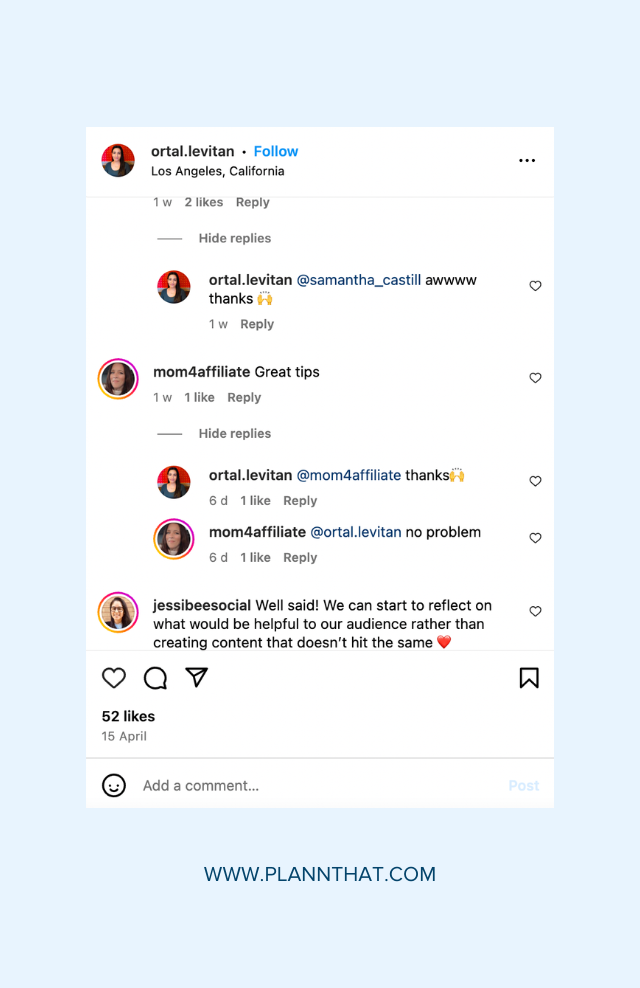
These are comments like, "Great tip!" or "This helped me so much!"
- Your Action: Always acknowledge and thank the person. Be specific if you can.
- Example:
- Comment: "Wow, I never thought about doing a 'no-spend' weekend. I'm going to try this!"
- Your Reply: "That's awesome to hear! I'm so glad you found it helpful. Let me know how it goes for you! 😊"
Responding to Neutral Comments and Questions
These are often practical inquiries, like "Which app do you use for budgeting?"
- Your Action: Be as helpful as possible. Answer the question directly. This is your chance to prove your value.
- Example:
- Comment: "Where do you find the best deals for groceries?"
- Your Reply: "Great question! I love using the Flipp app to check local flyers, and I always check the clearance section first thing. Hope that helps!"
Responding to Negative Feedback
Sooner or later, you'll get a critical comment. It might be about a tip that didn't work for someone or a disagreement with your advice. How you handle this is critical for building trust. The golden rule is: never delete constructive criticism.
This article gives some firm rules for handling these moments.
How to Nail Social Media Replies as a Brand - Sculpt
Let's look at 'How to Nail Social Media Replies as a Brand' from Sculpt. This article offers clear, professional advice for managing negative interactions.
Read the section 'How to handle negative comments on social media.' Focus on the four bulleted rules: Stay calm, Don't delete, Exercise consistency, and Learn from criticism.
- Your Action:
- Acknowledge their frustration and show empathy.
- Apologize that your tip didn't work for them.
- Offer to help further in a private channel.
- Example:
- Comment: "This tip to switch phone providers was a disaster. I ended up with a huge cancellation fee."
- Your Reply: "Oh no, I'm so sorry to hear you had that experience. That sounds incredibly frustrating. Can you send me a DM? I'd like to understand what happened and see if I can help."
Responding to Trolls and Hate Speech
This is different from negative feedback. Trolling is designed to provoke a reaction, and hate speech is simply abusive.
- Your Action: Do not engage. Replying gives them the attention they want and amplifies their message. Instead, use the platform's tools.
- Hide or delete the comment. (Hiding is often better as the user doesn't know it's gone, but their followers won't see it).
- Block the user.
- Report the comment and the user to the platform.
4. The Power of Direct Messages (DMs)
While comments are public conversations, DMs are where you can build your strongest 1-on-1 relationships. Platforms like Instagram prioritize content from accounts you have a "close" relationship with—and DMing is a huge signal of closeness.
This video offers some fantastic, practical ways to use DMs to foster connection.
Your 2026 Guide to Instagram Engagement | Future-Proofing Your Engagement Strategy
'Your 2026 Guide to Instagram Engagement' explains why DMs are your most powerful tool for building connections. This section will give you concrete ideas for starting conversations.
Watch from 00:32 to 03:38. Focus on the organic ways to start DM conversations, especially replying to people's stories and sending a simple welcome message to new followers.
Here are two simple DM strategies you can start using today:
- Welcome New Followers: When someone new follows you, send them a simple, non-salesy message.
- Example: "Hey [Username]! Thanks so much for the follow. I'm so happy to have you here. I love sharing tips on budget-friendly living. Is there anything specific you're hoping to learn about?"
- Reply to Story Reactions: When someone reacts to your Instagram or TikTok Story, don't just 'like' their reaction. Use it as a conversation starter.
- Example: If you post a picture of a thrift store find and someone reacts with a 🔥 emoji, reply with "Thanks! It was such a lucky find at Goodwill today."

5. Your Action Plan: A Simple Response Strategy
Let's put this all together into a "do this, then do that" plan. Whenever you see a new comment or DM, follow these steps.
-
Assess the Tone: Is it positive, a neutral question, negative criticism, or a troll?
-
Choose Your Action:
- If Positive/Neutral: Reply publicly. Thank them or answer their question using the "tone matching" principle.
- If Negative Criticism: Reply publicly with empathy and an offer to move the conversation to DMs. Example: "I'm sorry to hear that. Please send me a DM so I can help."
- If a Troll/Hateful: Do NOT reply. Hide/delete the comment, then block and report the user.
-
Prioritize DMs: Dedicate part of your daily engagement time to starting conversations in your DMs. A great starting point is to send a welcome message to your 5 most recent followers each day.
This structured approach will help you build a thriving, supportive community around your content.
Conclusion
Great job today! You've just built a comprehensive and professional strategy for managing your community interactions. This is a skill that many creators overlook, but it's fundamental to building a sustainable and successful presence.
Key Takeaways:
- Responding to your audience builds trust, fosters community, and can improve your content's visibility.
- Use tone matching to make your followers feel heard and valued.
- Have a clear plan for different comment types:
- Positive/Neutral: Engage publicly and be helpful.
- Negative Criticism: Respond with empathy and move to DMs.
- Trolls/Hate: Do not engage. Delete, block, and report.
- Leverage DMs as your most powerful tool for building deep, 1-on-1 relationships.
Preview of the Next Lesson:
So far, we've focused on creating content and reacting to the engagement that comes from it. The next step is to start proactively reaching out. In the next lesson, we will cover how to identify and list 15 high-quality peer accounts in the budget-living niche for networking. This will lay the groundwork for building relationships with other creators, which is key to long-term growth.