
Good to see you again. In the previous lesson, you learned why water is biologically useful as a solvent: it dissolves substances such as glucose, amino acids, mineral ions, urea, and salts so they can be absorbed, transported, or excreted. Now widen that view to the rest of the diet.
For this learning outcome, you need more than a list of “healthy foods.” You should be able to connect each nutrient to (1) its main sources and (2) a precise function in the body. That source–function link is what written biology questions usually assess.
Nutrients are categories, not single-food labels
Food supplies three broad things:
- energy, mainly from carbohydrates and fats;
- raw materials for growth, repair, and body structures, especially proteins and minerals;
- substances that keep body processes working properly, including vitamins, fibre, minerals, and water.
A useful first distinction is between macronutrients and micronutrients:
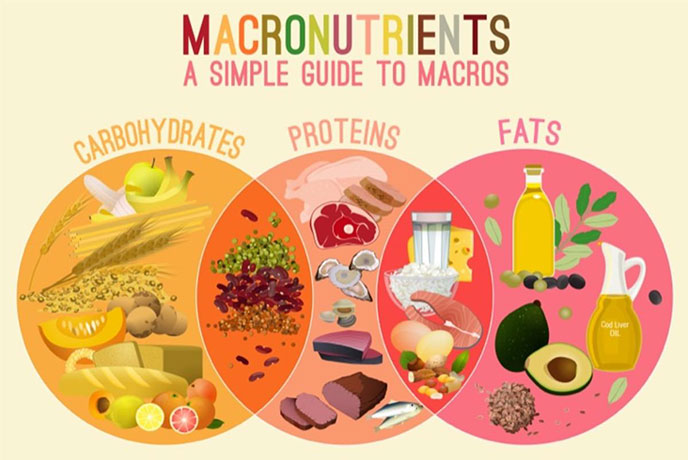
- Macronutrients are needed in relatively large amounts: carbohydrates, fats (lipids), and proteins.
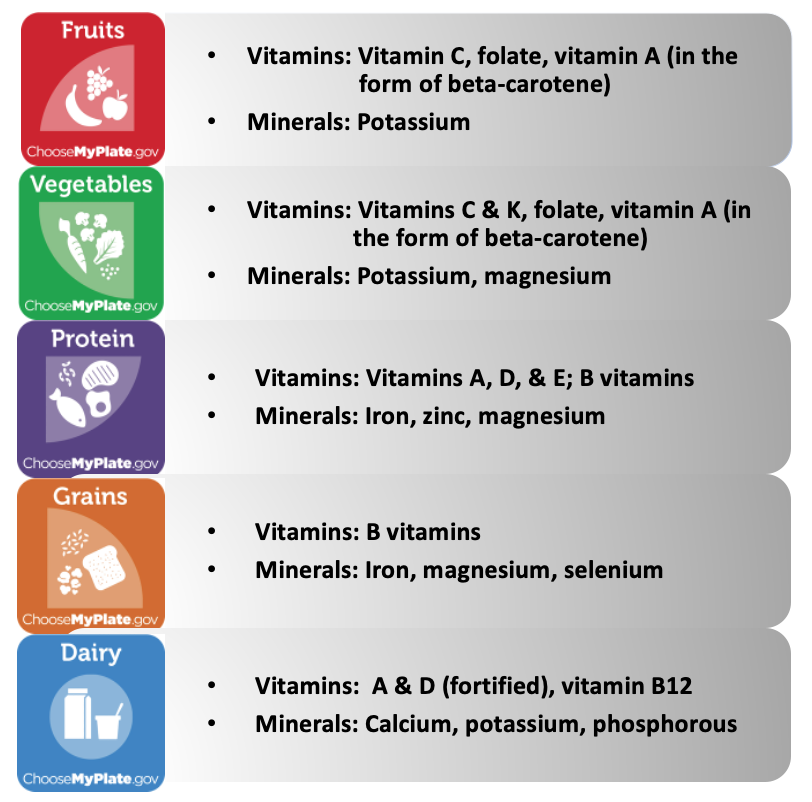
- Micronutrients are needed in small amounts: vitamins and minerals such as vitamin C, vitamin D, calcium, and iron.
Fibre and water do not fit neatly into either group in the same way, but both are essential parts of a balanced diet.
Importantly, foods contain mixtures of nutrients. Wholemeal bread, for example, contains carbohydrate but also fibre, some protein, and minerals. Milk supplies protein and fat as well as calcium. Therefore, a source named for one nutrient may provide several others too.
To build an overview before studying the details, watch this short recap.
GCSE Biology - Nutrition - Carbohydrates | Lipids | Proteins | Vitamins | Minerals (2026/27 exams)
In Cognito’s “GCSE Biology — Nutrition — Carbohydrates | Lipids | Proteins | Vitamins | Minerals,” the nutrients are linked clearly to their food sources and biological roles. Use it to establish the main source–function pairs, then use the rest of the lesson to make those explanations more precise.
Watch the overview first: notice the point that ordinary foods contain combinations of nutrients. Then watch the macronutrients for carbohydrates, lipids, and proteins; the micronutrients for vitamins C and D, calcium, and iron; and fibre and water. As you watch, make a two-column note headed “source” and “function,” rather than trying to memorise whole sentences.
Carbohydrates, fats, and proteins: energy, storage, and body building
Carbohydrates: the main immediate energy source
The principal sources of carbohydrates are:
- starchy foods: bread, rice, pasta, potatoes, breakfast cereals, and oats;
- sugary foods and drinks;
- fruits and some vegetables.
Carbohydrates are digested to simple sugars, especially glucose. Cells use glucose in respiration, releasing energy for processes such as muscle contraction, active transport, building molecules, and maintaining body temperature.
A strong statement is:
Carbohydrates are mainly used as an energy source because they are digested to glucose, which cells use in respiration.
Avoid saying that food “contains energy” in a vague way. In biology, the important link is:
Fats (lipids): energy store, insulation, and protection
Lipids include fats and oils. Important sources include:
- vegetable oils, such as olive, sunflower, and rapeseed oil;
- nuts and seeds;
- avocado;
- oily fish;
- dairy products, eggs, meat, butter, and cheese.
Fats can provide energy, but their most important role at this level is as a long-term energy store. The body can store fat under the skin and around organs. This stored fat:
- provides a reserve of energy;
- reduces heat loss, acting as thermal insulation;
- cushions and protects organs such as the kidneys.
Lipids are also important components of cell membranes, although energy storage, insulation, and protection are the main functions to prioritise in an exam answer.
A precise answer might state:
Fats are stored as a long-term energy reserve. Fat beneath the skin also provides insulation, while fat around organs cushions them against physical damage.
Proteins: growth, repair, and replacement
Major protein sources include:
- meat, poultry, fish, eggs, and dairy products;
- beans, lentils, chickpeas, and other pulses;
- soya products;
- nuts and seeds.
Proteins are digested into amino acids. Cells absorb amino acids and use them to build new proteins. These proteins are needed for:
- growth;
- repair of damaged tissues;
- replacement of old or worn-out cells;
- production of substances such as enzymes.
Protein can be used in respiration if necessary, but this is not its principal dietary role. The key function is growth and repair.
Proteins supply amino acids for the growth, repair, and replacement of cells and tissues.
This links directly to your earlier work on proteins: different amino-acid sequences allow cells to build proteins with different shapes and functions.
Vitamins and minerals: small amounts, essential effects
Vitamins and minerals do not supply energy. They are required in small quantities, but a shortage can seriously disrupt body processes.
Vitamin C: healthy connective tissues and healing
The main sources of vitamin C are fresh fruits and vegetables, especially:
- citrus fruits such as oranges;
- kiwifruit and berries;
- tomatoes and capsicum;
- green vegetables.
Vitamin C is needed to make and maintain connective tissues. These help form and support structures such as skin, gums, blood-vessel walls, bones, and teeth. Vitamin C also supports wound healing.
Vitamin C is needed for healthy connective tissues and wound healing. It is found mainly in fruits and vegetables, especially citrus fruits and kiwifruit.
A lack of vitamin C causes scurvy; you will study this deficiency condition in more detail later.
Vitamin D: helping calcium absorption
Vitamin D is unusual because its main source is sunlight, not food. Skin can make vitamin D when exposed to sunlight. Dietary sources include:
- oily fish;
- eggs;
- fortified foods, such as some breakfast cereals, spreads, or plant-based drinks.
Vitamin D helps the body absorb calcium from the small intestine. Therefore, it is important for normal bones and teeth.
Vitamin D helps the body absorb calcium. It can be made in the skin in sunlight and is also found in foods such as oily fish, eggs, and fortified products.
Calcium: strong bones and teeth
Key calcium sources include:
- milk, yoghurt, and cheese;
- calcium-fortified plant milks;
- green leafy vegetables;
- tofu made with calcium;
- fish eaten with edible bones, such as canned sardines.
Calcium is needed for the formation and maintenance of strong bones and teeth. It also has roles in muscle contraction and blood clotting, but bones and teeth are the principal functions to remember here.
Vitamin D and calcium should be learned as a connected pair:
Iron: haemoglobin and oxygen transport
Main iron sources include:
- red meat and liver;
- beans, lentils, and chickpeas;
- dark green leafy vegetables;
- fortified breakfast cereals;
- nuts and seeds.
Iron is needed to make haemoglobin, the red pigment in red blood cells. Haemoglobin binds oxygen so that red blood cells can transport oxygen from the lungs to body cells.
Iron is needed to make haemoglobin in red blood cells. Haemoglobin transports oxygen around the body.
Vitamin C can help the body absorb iron from plant sources. For example, eating fruit or vegetables alongside beans, lentils, or fortified cereal can support iron absorption.
Fibre and water: not fuel, but essential for normal function
Fibre: movement through the gut
Dietary fibre is carbohydrate from plant foods that the body cannot fully digest. It passes through the small intestine largely undigested and reaches the large intestine.
Good fibre sources include:
- wholegrain bread, brown rice, oats, and wholemeal pasta;
- beans, lentils, and chickpeas;
- fruit and vegetables;
- nuts and seeds.
Some fibre adds bulk to faeces and holds water in the gut. This helps the contents of the gut move along and reduces the chance of constipation. Other types of fibre can support beneficial bacteria in the large intestine.
Fibre - Nutrition Information - British Nutrition Foundation
Read the British Nutrition Foundation’s “Fibre — Nutrition Information” for a clear explanation of why fibre is not fully digested and why varied plant sources matter.
In the section “What is fibre and how does it work in the body?”, read what fibre is. Focus on the route of fibre through the digestive system and its effect on stool bulk. Then, in “Foods rich in fibre: what to eat and why”, read the source overview. Learn the broad source groups rather than attempting to memorise fibre amounts per food.
An exam-ready fibre statement is:
Fibre is found in plant foods such as wholegrains, fruit, vegetables, and pulses. It adds bulk to food in the gut, helping it move through the digestive system and preventing constipation.
Water: solvent, transport medium, and temperature control
You have already studied water in detail, so retrieve the central chains rather than relearning them. Water is obtained from:
- drinks;
- water-rich foods such as fruit, vegetables, soups, yoghurt, and milk;
- a small amount produced during respiration.
Water functions as:
- a solvent for substances such as glucose, amino acids, mineral ions, urea, and salts;
- a transport medium in blood plasma;
- the medium in which many chemical reactions take place;
- a way to remove urea and excess salts in urine;
- a means of cooling the body when sweat evaporates.
A concise, high-quality answer is:
Water acts as a solvent, dissolving substances such as glucose and mineral ions so they can be transported in blood plasma. It also helps remove urea and excess salts in urine and helps control body temperature through sweating.
Note the contrast with fibre: fibre is not digested for energy, but it supports the movement of material through the gut. Water is not an energy source either, but it is the medium that allows many body processes to occur.
Your nutrient source–function checklist
Use this table as an assessment-revision checklist. Cover the right-hand column, name the function from memory, then reverse the process.
| Nutrient | Principal sources | Main functions |
|---|---|---|
| Carbohydrates | Bread, rice, pasta, potatoes, cereals, fruit | Digested to glucose for respiration; energy release |
| Fats / lipids | Oils, nuts, seeds, avocado, oily fish, dairy, meat | Long-term energy store; insulation; protection of organs |
| Proteins | Meat, fish, eggs, dairy, beans, lentils, soya, nuts | Growth; repair; replacement of tissues; making proteins such as enzymes |
| Vitamin C | Citrus fruits, kiwifruit, berries, capsicum, green vegetables | Healthy connective tissues; wound healing |
| Vitamin D | Sunlight on skin; oily fish, eggs, fortified foods | Helps calcium absorption; supports healthy bones and teeth |
| Calcium | Dairy, fortified alternatives, leafy vegetables, tofu, fish with bones | Strong bones and teeth; also muscle contraction and blood clotting |
| Iron | Red meat, legumes, leafy greens, fortified cereals, seeds | Makes haemoglobin for oxygen transport |
| Fibre | Wholegrains, fruit, vegetables, pulses, nuts, seeds | Adds bulk; supports movement through gut; prevents constipation |
| Water | Drinks and water-rich foods | Solvent; transport; reactions; excretion; temperature regulation |
For a stronger written response, include both sides of the relationship:
-
weak: “Iron is in meat.”
-
stronger: “Iron, found in red meat and beans, is needed to make haemoglobin for oxygen transport.”
-
weak: “Fibre is good for digestion.”
-
stronger: “Fibre from wholegrains, fruit, and vegetables adds bulk to the contents of the gut, helping prevent constipation.”
-
weak: “Vitamin D is for bones.”
-
stronger: “Vitamin D helps calcium absorption, so it supports the development and maintenance of healthy bones and teeth.”
Key takeaways
- Foods contain mixtures of nutrients; “principal source” does not mean “only source.”
- Carbohydrates supply glucose for respiration; fats store energy, insulate, and protect; proteins provide amino acids for growth and repair.
- Vitamin C supports connective tissues and healing. Vitamin D helps calcium absorption.
- Calcium supports bones and teeth; iron is needed for haemoglobin and oxygen transport.
- Fibre adds bulk in the gut and helps prevent constipation.
- Water acts as a solvent and transport medium, supports reactions and excretion, and contributes to temperature control.
- For assessment answers, aim for: nutrient → source → biological function.
Next, you will use these nutrient roles to explain what makes a diet balanced and why energy and nutrient requirements vary between people.
Can't find a good explanation? Sign up and we'll make it for you
Sign up