Welcome back! In our previous lessons, we designed the core curriculum and built a system for creating a high-quality mentor network. These elements provide the substance of your accelerator program, guiding founders through critical milestones. Now, we turn our attention to the program's climax: Demo Day.
This lesson addresses the learning outcome: Plan the format, logistics, and goals for a high-impact demo day. A well-executed Demo Day is far more than a graduation party; it's a strategic product designed to showcase your cohort's achievements, generate investment opportunities, and build your accelerator's brand in the market. It's the moment where all the hard work from your curriculum and mentorship crystallizes into a tangible, high-stakes presentation to the world.
1. Defining the "Why": The Strategic Goals of Demo Day
Before diving into logistics, it's crucial to define what you want to achieve. The primary goal of an accelerator's Demo Day is typically to connect startups with investors. However, a truly high-impact event creates value for multiple stakeholders.
The guide 'How to Run Pitch Events' provides a detailed breakdown of different event types and their target audiences. This will help us clarify the strategic objectives for your accelerator's Demo Day.
Please read the section '3.1. Conceptualization'. Pay close attention to the different types of pitch events (Investor, Media, Customer) and the unique needs of each target audience. While your focus will be on investors, understanding the others is key to maximizing impact.
As the guide illustrates, while "investor pitch" is the main event, you are also implicitly pitching to other groups:
- Investors (Primary Audience): The goal is to generate qualified leads that result in funding for your startups. This validates your program and, if your fund has invested, increases the value of your portfolio.
- Media & Influencers (Secondary Audience): The goal is to generate positive press for your startups and your accelerator. This builds your brand, attracts future applicants, and impresses potential Limited Partners (LPs).
- Corporate Partners & Potential Acquirers: The goal is to create opportunities for pilots, partnerships, or future M&A conversations.
- Future Applicants: A slick, successful Demo Day is your best marketing tool for attracting the next cohort of high-quality startups.
For your AI-focused accelerator, a key goal is also to establish your brand as a leader in the AI startup ecosystem. This means curating an audience and experience that reflects that specialization.

Test your understanding!
Imagine you are planning the first Demo Day for your new AI-focused accelerator. You have a limited budget and must prioritize. Which two audience groups from the list above would you focus on most intensely, and what is your reasoning?
Show answer
The two highest-priority audiences would be:
- Investors: This is the non-negotiable, primary audience. The success of Demo Day is measured first and foremost by the investment conversations and deals it generates for the participating startups. For your fund, this is how you create follow-on value. You would specifically target VCs and angels who have a thesis around investing in AI.
- Media & Influencers: For a new accelerator, brand building is critical. Positive coverage from tech journalists, AI-focused newsletters, and industry influencers serves as powerful social proof. It validates your program to future applicants and potential LPs for your fund. A successful article in a major tech publication can be more valuable than having a few extra, less-relevant attendees.
Corporate partners and future applicants are important, but their engagement can often be a positive byproduct of successfully courting investors and media.
2. Designing the "What": Format and Experience
Once your goals are clear, you can design the event format. A modern Demo Day is more than just a sequence of on-stage pitches. It's an experience engineered to facilitate meaningful connections.
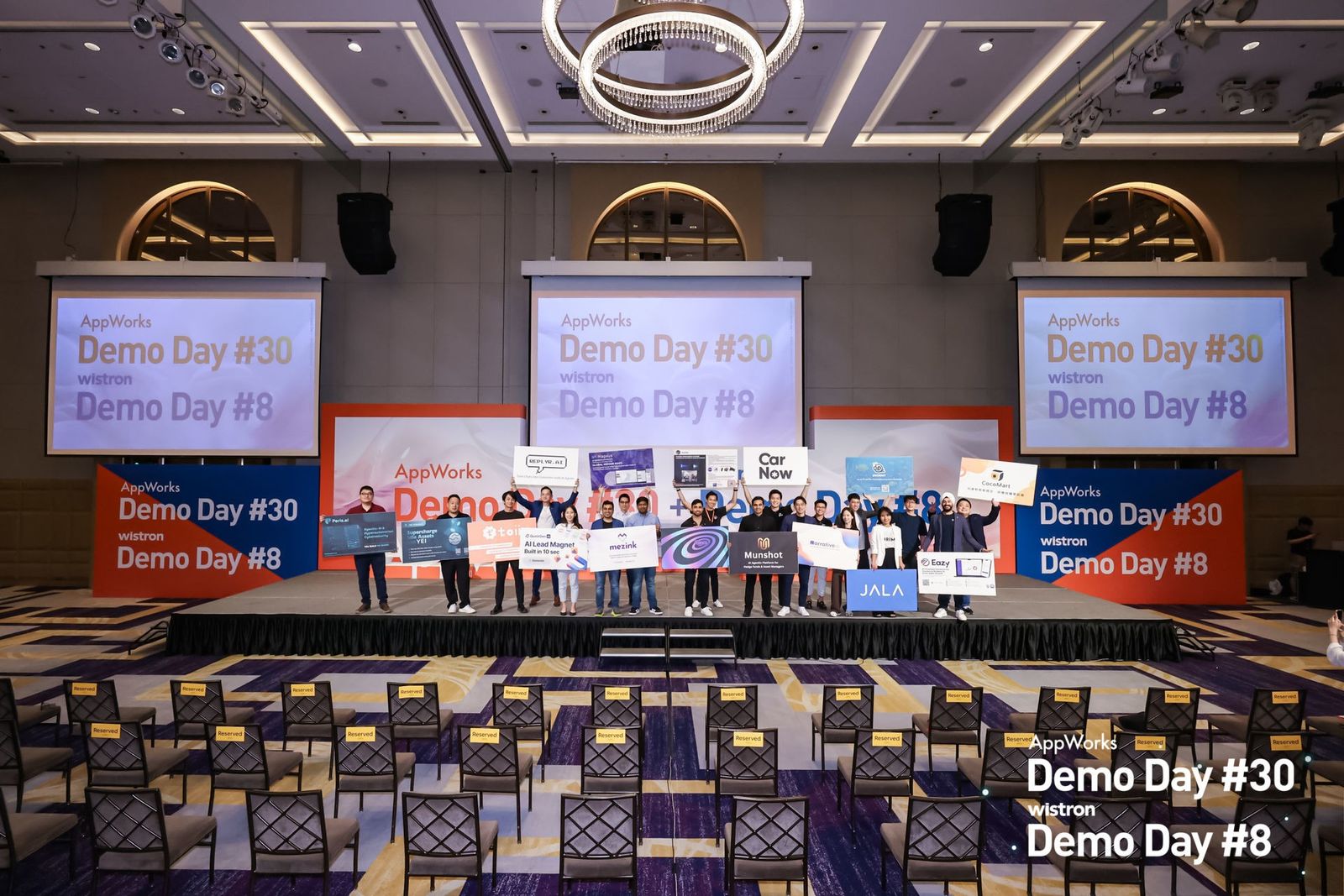
Let's explore the key components of a successful format, drawing from best practices.
The 'How to Run Pitch Events' guide offers a menu of formats and support elements. We will use this to architect a comprehensive Demo Day experience.
Review the sections '3.4. Format of the Pitch' and the investor-focused elements in '3.1. Conceptualization'. Focus on how you can combine different formats like the '5-Minute Pitch' with a 'Demo Day or Product Showcase' and '1:1 Meetings'.
A best-in-class Demo Day often uses a hybrid format:
- Main Stage Pitches: The classic format where each startup delivers a polished 3-5 minute pitch. This is the "show" and is great for generating initial interest and excitement. It can be live-streamed to expand reach.
- Product Showcase/Demo Stations: After the pitches, startups have booths or stations where they can give live product demos. This allows interested investors to go deeper, ask specific questions, and interact with the product and team in a less formal setting.
- Curated 1:1 Meetings: This is arguably the most critical component for driving real investment outcomes. Using an event app or a matchmaking platform, you can pre-schedule short (15-20 minute) meetings between interested investors and startups. This moves beyond serendipity and ensures high-value conversations happen. Your background in CS could be leveraged to build or configure a system that uses AI to suggest the best matches, similar to the mentor-matching system we discussed previously.
- Secure Data Rooms: Professional investors need to conduct due diligence. Having a secure, pre-populated virtual data room for each startup ready before Demo Day is a sign of a well-run program. You should provide investors with a simple way to request access during the event.
Your job as the program manager is to orchestrate these elements into a seamless experience that respects the audience's time and maximizes opportunities for meaningful connections.
3. Planning the "How": Logistics, Timeline, and Budget
With the strategy and format defined, you can move to execution. This requires systematic project management.
Implementation Timeline
Planning a Demo Day should start months in advance. You can work backward from the event date.
The guide 'How to Run Pitch Events' provides an excellent sample timeline. While it suggests six months, this can be condensed, especially for a lean accelerator.
Read the section '3.5. Implementation Timeline'. Think of this as a checklist for backward planning. Note the key milestones: concept, partnering, announcement, organization, and follow-up.
Here's an adapted timeline for a 3-4 month accelerator program:
- Week 1-2 (Program Start):
- Set the Demo Day date. This creates a hard deadline for everyone.
- Finalize the concept, goals, and target audience.
- Month 2:
- Secure the venue (if physical) or platform (if virtual).
- Begin outreach to key partners and sponsors.
- Build the target list of investor and media attendees.
- Month 3 (4-6 weeks out):
- Send "Save the Date" announcements to your target list.
- Open official registration.
- Begin intensive pitch coaching and presentation design with the startups.
- Final 2-4 Weeks:
- Send formal media invites.
- Brief participants (startups) on the final schedule and logistics.
- Run full dress rehearsals.
- Provide investors with a "lookbook" of the presenting companies.
- Day X: Event Day.
- Post-Event (1-4 weeks):
- Facilitate follow-up conversations.
- Gather feedback from all stakeholders.
- Track key metrics (e.g., # of investor meetings, funding commitments).
Budget and Partnerships
Key budget items include venue, A/V production, platform fees (for virtual/hybrid events), marketing, and catering. To manage costs, strategic partnerships are essential. As discussed in section "3.6. Partnering & Target Group Outreach" of the "How to Run Pitch Events" guide, you can offer logo placement, speaking opportunities, or access to your network in exchange for financial sponsorship or in-kind services (like a venue or catering).
4. Ensuring Success: Preparation and Follow-up
The quality of a Demo Day is determined long before the doors open and long after they close.
Preparing the Participants
Your primary role in the final phase of the accelerator is to get your founders "presentation-ready."
Structuring accelerator programs: Successful framework for ...
The article 'Structuring accelerator programs' highlights the importance of this preparatory phase.
Quickly review the 'Scaling' phase description in section 2, the concept of 'Pitch nights' in section 6, and the 'Polish the presentations' point under 'Demo day' in section 8. These highlight the need for practice and iteration.
Your preparation system should include:
- Pitch Workshops: While your founders may be good at pitching, they need to perfect a 3-5 minute version, which is a unique skill.
- Constant Rehearsal: Host internal "pitch nights" where founders present to each other and to mentors for candid feedback.
- Presentation Polish: Ensure every deck is visually clean, on-brand, and tells a compelling story.
- Investor Briefings: As noted in the "How to Run Pitch Events" guide, preparing your investors is just as important. Send them a concise summary of the presenting companies a few days beforehand so they can decide who to focus on.
Post-Event Follow-up and Evaluation
The work isn't over when the event ends. The follow-up is where the value is realized.
The 'How to Run Pitch Events' guide emphasizes that the real outcome of the event happens in the follow-up.
Read the section '3.12. Follow-Ups & Evaluation'. The quote, 'The sale is in the follow-up,' is directly applicable to post-Demo Day investment.
Your post-event process must include:
- Facilitating Introductions: Promptly connect any investors who expressed interest with the relevant startups.
- Tracking Outcomes: This is critical. You need a system (likely a CRM) to track which investors met with which companies and the status of those conversations. This data is vital for demonstrating your program's ROI to your own LPs.
- Gathering Feedback: Send surveys to attendees and startups to measure the event's effectiveness and identify areas for improvement for the next one.
Conclusion
You now have a comprehensive framework for planning a high-impact Demo Day. It is not a standalone event but the capstone of your entire program—a product that requires strategic planning, meticulous execution, and dedicated follow-through.
Key Takeaways:
- Be Strategy-Driven: Define your goals and target audience before planning any logistics. Your primary goal is to generate investment, but brand-building is a close second.
- Design a Hybrid Experience: Combine compelling stage pitches with interactive demo stations and, most importantly, pre-scheduled 1:1 meetings to maximize valuable connections.
- Plan Like a Project Manager: Use a reverse timeline to plan every detail, from venue selection to pitch rehearsals.
- Preparation and Follow-Up are Everything: The success of Demo Day is determined by the rigor of your startup preparation beforehand and the systematic nature of your follow-up afterward.
Preview of the Next Lesson
Demo Day marks the end of the formal accelerator program, but your relationship with your portfolio companies is just beginning. To manage your investments and continue adding value, you need a robust system for tracking their performance.
In the first lesson of our next module, "Portfolio Management and Value Creation," we will address the learning outcome: Define KPIs and reporting standards for monitoring portfolio health. This will equip you with the tools to understand how your companies are performing post-program and make informed decisions about future support and follow-on investment.