Welcome to the final lesson of your "Business Launch and Operations" module, and the capstone of your entire course.
In our previous lesson, we established a crucial ethical framework for managing the conflicts of interest inherent in your dual role as a consultant and fund manager. With those guardrails in place, we can now focus on execution. This lesson is where all the strategic pieces you've learned—from defining your AI-differentiated value proposition in Module 1 to understanding fund economics in Module 5—come together into a practical, actionable timeline.
This lesson is designed to help you achieve the final learning outcome: Create a 90-day launch plan with key operational, legal, and marketing milestones.
By the end of this 60-minute session, you will have a clear, week-by-week blueprint for taking your accelerator and fund from concept to reality, ensuring you are ready to launch your business in the next three months.
The Philosophy of a 90-Day Launch
Launching a new venture, whether it's a tech startup or a VC fund, can feel overwhelming. The key is to break it down into manageable phases, focusing on validation before you commit significant resources. We'll adopt a "lean launch" methodology, similar to how successful startups operate.
To understand this mindset, let's start with a short video from Y Combinator. While it's aimed at startups launching a product, the core principles of launching early, gathering feedback, and iterating are directly applicable to launching your firm.
The Best Way To Launch Your Startup | Startup School
This video, 'The Best Way To Launch Your Startup,' explains why you should think of launching not as a single event, but as a continuous process. This will help frame our 90-day plan as a series of validation milestones rather than a single, high-pressure 'grand opening.'
Please watch from the beginning until timestamp 03:32. Focus on the arguments for launching 'ASAP' and why early feedback, even if negative or met with silence, is more valuable than waiting for perfection.
The key takeaway is that your launch plan should prioritize getting your ideas in front of the right people—potential LPs, advisors, and founders—to test your assumptions early and often. We will structure your 90-day plan into three distinct phases, each with specific operational, legal, and marketing goals.
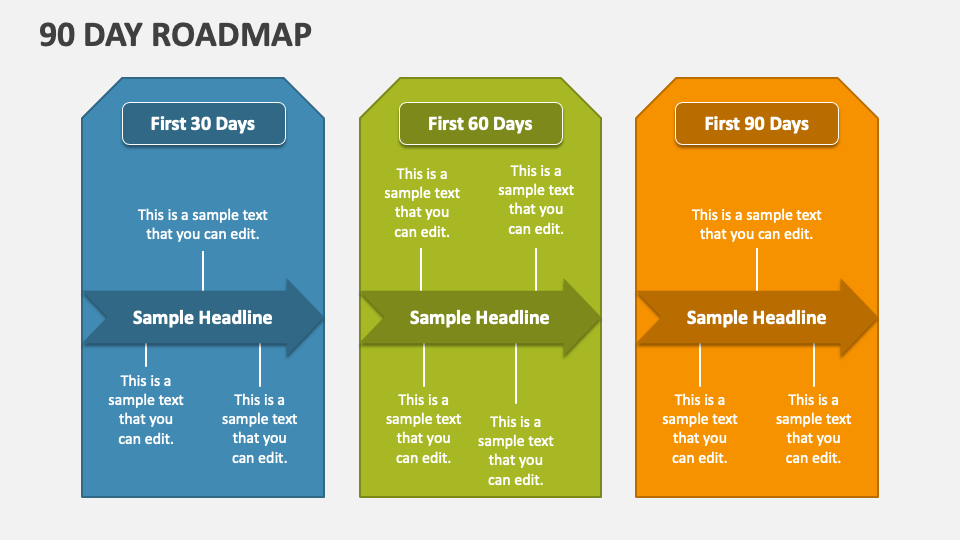
Phase 1: Days 1-30 — Foundation and Validation
The first month is about laying the groundwork and validating your core hypotheses before you spend significant money, especially on legal fees. The goal is to build your core narrative and test it with a trusted circle of advisors.
This approach is detailed in the following resource, which outlines a practical, step-by-step formula for launching a fund.
How to Start a Venture Capital (VC) Fund
The article 'How to Start a Venture Capital (VC) Fund' from the Founder Institute provides a systematic checklist for first-time managers. We'll use its 'Pre-Launch Checklist' and initial steps to structure our first month.
Please read the sections 'Steps to Reach Your First Fund Close' and 'How to Prepare for Fund Launch.' Pay close attention to the 'Pre-Launch Checklist' and the first two steps: developing your thesis and engaging confidants.
Based on this, here are your milestones for the first 30 days:
Operational Milestones:
- Finalize Investment Thesis: Refine your thesis into a clear, 30-second pitch. This must incorporate your unique AI-differentiated value proposition (from Module 1) and your ideal startup profile (from Module 6).
- Build Financial Model: Finalize the unified financial model for your accelerator (OpCo) and fund (FundCo), projecting your burn rate, runway, and key assumptions (as covered in the previous module).
- Select Initial Tools: Research and select your core operational tools. At a minimum, this includes a CRM for managing relationships (LPs, founders, mentors) and a system for tracking deal flow.
Marketing Milestones:
- Establish Online Presence: Secure your domain name and create a professional, one-page "silent launch" website. This should include your one-sentence description, your investment thesis, and a way for people to contact you (as suggested in the Y Combinator video).
- Engage Confidants: Identify 5-10 trusted advisors (mentors, former colleagues, industry experts). Pitch them your thesis and model to get honest, critical feedback. This is not a fundraising pitch; it's a validation exercise.
- Identify Initial LP Targets: Create a preliminary, private list of potential LPs (High Net Worth Individuals, Family Offices) within your immediate and second-degree network.
Legal Milestones:
- Initial Legal Consult: Schedule an initial, exploratory call with 2-3 law firms that specialize in venture fund formation. The goal is to understand their process, fee structures, and timelines—not to engage them yet.
- Plan Legal Structure: Based on your consultations and what you learned in Module 2, finalize your decision on the legal entity structures (e.g., Delaware LLC for the management company, Delaware LP for the fund).
Phase 2: Days 31-60 — Building Momentum and Soft Commitments
With a validated thesis and foundational plan, month two is about building tangible assets and turning conversations into preliminary commitments. This is where you begin creating the materials needed to formally raise capital and start sourcing deals to prove your thesis.
This phase aligns with the crucial step of using a real deal to make your fund pitch concrete and compelling.
How To Start A Venture Capital Fund From Scratch
The video 'How To Start A Venture Capital Fund From Scratch' introduces a powerful four-step formula. We'll now focus on the third step: pitching investors for feedback using a tangible deal.
Please watch from 16:34 to 29:09. This section details the 'Fund Launch Formula': Find an incredible deal, Frame it, Pitch investors for feedback (before legal docs), and only then do the legal work. Pay close attention to the 'Lamborghini story' and the logic of pitching a specific deal rather than a theory.
Applying this logic, here are your milestones for the second month:
Operational Milestones:
- Source Your First "Demonstration" Deal: Actively screen at least 50 companies to identify 1-2 standout opportunities that perfectly fit your investment thesis. You don't need to close the deal yet, but you need to have it ready to discuss with potential LPs.
- Formalize Your Investment Committee (IC): Recruit and formalize the 2-4 members of your IC (as discussed in the previous lesson on conflicts). They will be crucial for both decision-making and lending credibility.
- Design Core Program: Outline the key components of your accelerator program: the curriculum, the milestone framework for startups, and the mentor network structure (from Module 9).
Marketing Milestones:
- Create the Fund Pitch Deck: Develop a comprehensive pitch deck that tells the story of your fund, your thesis, your team (you and your IC/advisors), your unique value-add, and includes the "demonstration" deal as a case study.
- Begin "Friends & Family" LP Pitches: Start pitching your closest connections from your target LP list. The goal is to secure soft commitments (non-binding indications of interest). Frame these as "If I were to launch this fund, would you be interested in participating at the $X level?"
- Start Content Marketing: Begin publishing content (e.g., blog posts, analyses on LinkedIn) that showcases your expertise in your chosen domain. This builds your brand and attracts inbound interest without illegally advertising your fund.
Legal Milestones:
- Engage Law Firm: Officially engage your chosen law firm. Based on your soft commitments, you now have the confidence to invest in legal setup.
- Entity Formation: Instruct your lawyers to form the legal entities for your management company and your fund.
- Draft Key Documents: Have your lawyers begin drafting the core fund documents: the Private Placement Memorandum (PPM), the Limited Partnership Agreement (LPA), and the Subscription Agreement.
Phase 3: Days 61-90 — Execution and First Close
The final month is about execution. The legal framework is being built, you have soft commitments, and your marketing engine is warming up. The goal now is to bring it all together for a "first close" of the fund and the official launch of your accelerator.
The "Startup Studio Guide" playbook, though designed for launching products, provides an excellent week-by-week template for this final execution sprint.
Startup Studio Guide: Launch Your Next Big Idea Today
This guide's '90-day launch playbook' gives us a clear structure for the final phase of intense execution, focusing on growth experiments and readiness.
Please read the section 'A 90-day launch playbook for a studio-backed MVP.' We will adapt its Weeks 9–12 plan for our purposes: 'Growth experiments' become your formal LP and startup outreach, and the 'fundraising readiness memo' becomes your finalized legal documents for the first close.
Here are your milestones for the final 30 days:
Operational Milestones:
- Finalize and Configure Tools: Set up and configure your chosen CRM and deal flow management platforms. Import your contacts and create your pipeline stages.
- Onboard Investment Committee: Hold the first official meeting with your IC. Review the "demonstration" deal and establish your process for formal investment memos and decision-making.
- Prepare for Capital Calls: Work with your fund administrator (or lawyers) to set up the bank accounts and processes for making capital calls from your LPs post-closing.
Marketing Milestones:
- Expand LP Outreach: Ask your committed LPs for warm introductions to other potential investors. Broaden your outreach to your second-degree network, always adhering to securities laws (no public solicitation).
- Open Accelerator Applications: "Go live" with your accelerator launch. Announce that applications are open through your website, content channels, and direct outreach to your network.
- Convert Soft Commitments: Go back to your soft-committed LPs with the final legal documents and formally confirm their investment.
Legal Milestones:
- Finalize Fund Documents: Review and finalize all legal documents with your lawyers.
- Execute the First Close: Hold the first closing of your fund by accepting the signed subscription agreements and initial capital contributions from your first group of LPs.
- Complete Initial Filings: Ensure your lawyers complete all necessary regulatory filings (e.g., Form D) with the SEC after the first close.
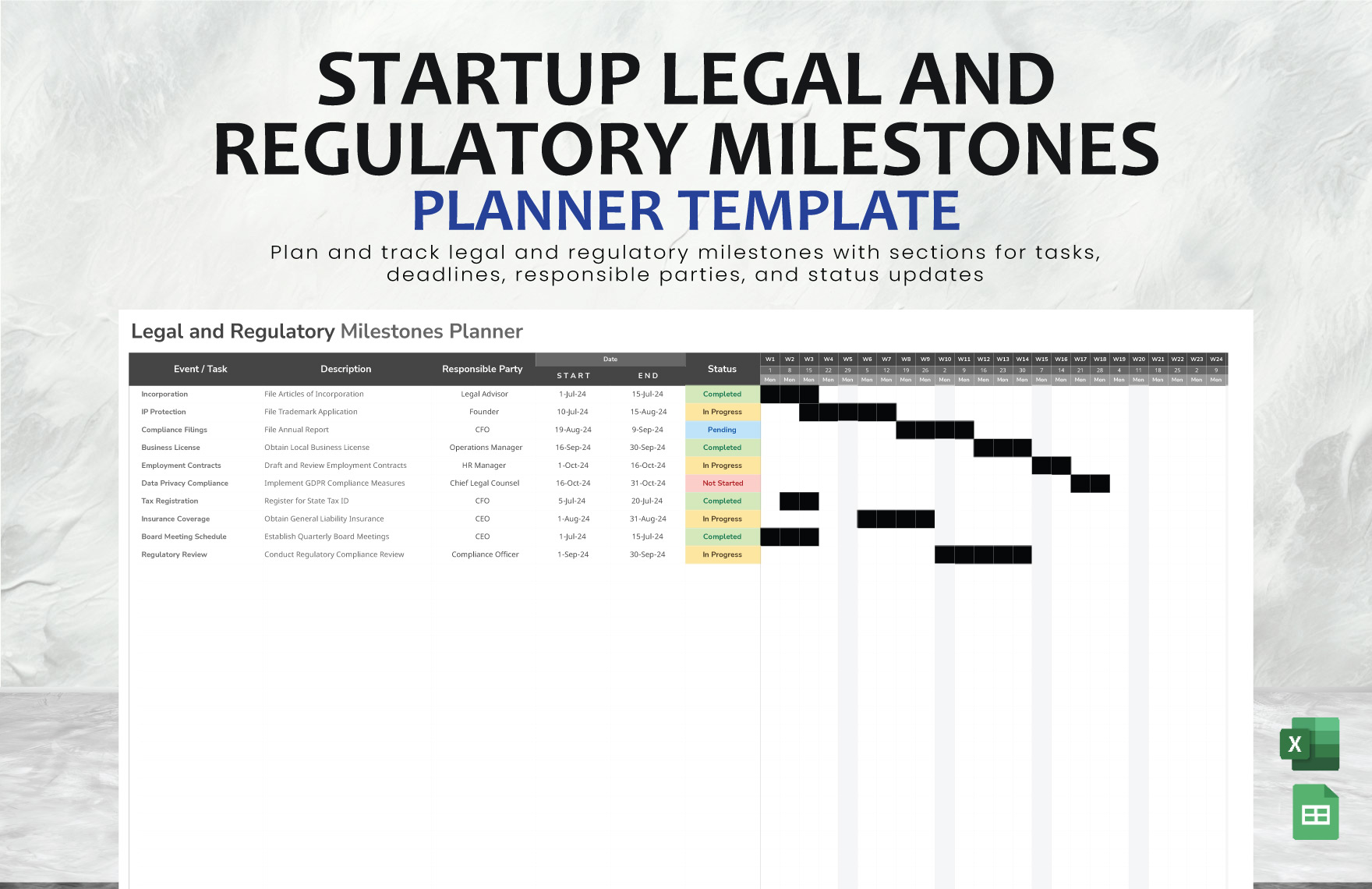
Test your understanding!
It's Day 1 of your 90-day plan. Looking at the milestones for Phase 1 (Days 1-30), what are the three most critical and immediate tasks you would start working on in your very first week, and why?
Show answer
While many tasks are important, the three most critical to start immediately are:
- Finalize Investment Thesis into a 30-second pitch: This is the absolute foundation. Every conversation you have—with confidants, lawyers, potential LPs—will start with this. Getting it sharp and compelling is priority number one.
- Identify and Schedule Meetings with Confidants: Your thesis is just a hypothesis until it's tested. The feedback from this trusted group will be the most valuable data you can get in Phase 1 and will shape everything else. You need to get these meetings on the calendar immediately.
- Schedule Initial Legal Consults: Finding the right legal partner is crucial, and good fund formation lawyers are busy. You need to start the conversation early to understand costs and timelines, which directly impacts your financial model and overall plan, even if you don't engage them for another month.
Conclusion
You now have a comprehensive, three-phase, 90-day plan to launch your AI-focused accelerator and venture fund. This plan is not a rigid script but a dynamic roadmap designed to build momentum, validate assumptions, and manage risk intelligently.
Key Takeaways:
- Phase 1 (Days 1-30) is for Foundation & Validation: Finalize your thesis and test it with confidants before spending heavily on legal.
- Phase 2 (Days 31-60) is for Building Momentum: Use a "demonstration" deal to create a compelling pitch deck and secure soft commitments from your inner circle.
- Phase 3 (Days 61-90) is for Execution & Closing: With validation and commitments in hand, you execute the legal setup, launch your marketing, and hold your first close.
- Integrate All Functions: Your operational, marketing, and legal milestones are interconnected and must proceed in parallel.
This plan is the blueprint for putting everything you have learned throughout this course into action. By following this structured approach, you can move methodically from your current position as a skilled consultant to your goal of becoming a successful founder of your own accelerator and fund. Congratulations on completing the course, and best of luck with your launch