
Hello! Welcome to the final module of our course, "Building a High-Performance Marketing Organization."
In our last lesson, you learned how to create a structured scorecard for evaluating and selecting marketing technology. We established that having the right tools is critical, but those tools are only as effective as the people who use them. You've tackled the challenges of fostering a data-driven culture and choosing the right technology; now, we turn to the most important component: the team itself.
Today’s learning outcome is to define the core roles, responsibilities, and skillsets for a modern marketing analytics function. As a leader, one of your most crucial tasks is organizational design. This lesson will provide you with the frameworks to think strategically about how to structure your team, define the roles needed to drive business value, and identify the key skills that separate a good analytics function from a great one. This is the blueprint you'll need to build the human engine of your data-driven marketing strategy.
1. From Report-Pullers to Value-Drivers: The Purpose of an Analytics Team
Before we jump into specific job titles, it's essential to define what a modern marketing analytics team should accomplish. Many organizations get stuck in a reactive loop of pulling basic reports and fulfilling ad-hoc requests. A high-performing team, however, moves up the value chain from simple reporting to strategic analysis and insight generation.
This shift is crucial. As a leader, your goal is to free your team from low-value tasks so they can focus on work that directly impacts business strategy and revenue. The following video segment provides an excellent framework for thinking about this hierarchy of value.
In this clip from 'Marketing Analytics 101' by Hedy & Hopp, the speaker presents a value pyramid for analytics tasks. Pay close attention to the distinction between low-value activities like basic report creation and high-value activities like deep analysis and stakeholder communication.
Watch the section from 00:33:31 to 00:37:55. Notice the progression from basic reporting at the bottom to deep analysis and strategy at the top. This will help you frame the purpose of the roles we're about to define.
As the video highlights, the objective is to build a team that spends its time on strategy, communication, and deep analysis, rather than getting bogged down in data wrangling and basic reporting. This requires a team with diverse roles and skills.
2. The Anatomy of a Modern Marketing Analytics Team
Now that we've established the strategic purpose of the team, let's define the core roles that make up an ideal analytics function. It's rare for a company, especially a smaller one, to hire for every single one of these roles. Often, one person will wear multiple hats. However, understanding the distinct responsibilities helps you ensure all critical functions are covered as you build and scale your team.
The following resources provide two excellent perspectives on these roles. First, we'll get a "dream team" overview, and then we'll do a deeper dive into the foundational analyst role.
Continuing with the 'Marketing Analytics 101' video, this next segment outlines six key roles in an ideal analytics and insights team. It provides a great overview of the different functions that need to be filled.
Watch from 00:37:55 to 00:40:37. As you watch, note down the six roles: Business Interpreter, Governance Manager, Data Engineer, Analyst/Data Scientist, Hypothesis Tester, and Storytelling Designer.
The six roles mentioned give us a comprehensive map:
- Business Interpreter: The bridge between the business and the technical team. They translate business questions into analytics projects. This is a critical leadership and strategy role.
- Governance Manager: Ensures data quality and consistency. They are the guardians of "clean data."
- Data Engineer: Builds and maintains the data infrastructure (pipelines, warehouses). They are the architects of the data ecosystem.
- Analyst / Data Scientist: The core of the team, responsible for finding insights and building models.
- Hypothesis Tester: Focuses on experimentation (A/B testing, etc.) to optimize campaigns and user experience.
- Reporting & Storytelling Designer: Makes sure insights are communicated clearly and effectively through dashboards and presentations.
This matrix helps visualize how these roles balance different types of expertise. A well-rounded team needs people in multiple quadrants.

To get a more detailed understanding of the most common role—the Marketing Data Analyst—let's explore its day-to-day responsibilities.
What does a marketing data analyst do?
This video, 'What does a marketing data analyst do?' from The Career Force, offers a thorough look at the analyst's responsibilities and the skills they need. This will ground our understanding of the team's core function.
Watch from 00:00:46 to 08:15. Focus on the variety of tasks an analyst performs, from analyzing lead sources and customer journeys to advising on budget allocation. Also, note the mix of technical skills (SQL, Python, Google Analytics) and communication skills required.
As you can see, even the "analyst" role is multi-faceted, blending technical execution with business advisory. As a leader, your job is to create an environment where analysts can focus on the advisory part, not just the technical execution.
3. Core Competencies: Beyond Job Titles
Defining roles is the first step, but what truly matters are the underlying skills, or competencies. A job title is a label; a competency is a measurable ability to do something well. As you build your team, you'll be hiring for competencies, not just titles.
The Reforge "Marketing Competency Matrix" is an excellent framework for this. It maps skills across different marketing domains and work types. For a performance marketing analytics team, the "Growth Marketing" competencies are particularly relevant.
Build Better Marketing Teams with the Marketing Competency Matrix
The article 'Build Better Marketing Teams with the Marketing Competency Matrix' from Reforge provides a powerful framework for defining and evaluating skills. We'll focus on the competencies related to Growth Marketing, as they are central to a modern analytics function.
Read the sections describing the Growth Marketing competencies for Strategy, Planning, Execution, and Insights. Pay special attention to the 'Insights Competencies' like 'Segmentation analysis' and 'Incrementality or attribution analysis,' as these are the high-value activities your analytics team should be driving.
Let's summarize the key insights competencies from the article:
- Segmentation Analysis: The ability to work with large datasets to define and analyze customer segments.
- Incrementality or Attribution Analysis: Understanding how to measure the true causal impact of marketing channels.
These high-level competencies are supported by a foundation of both technical and soft skills.
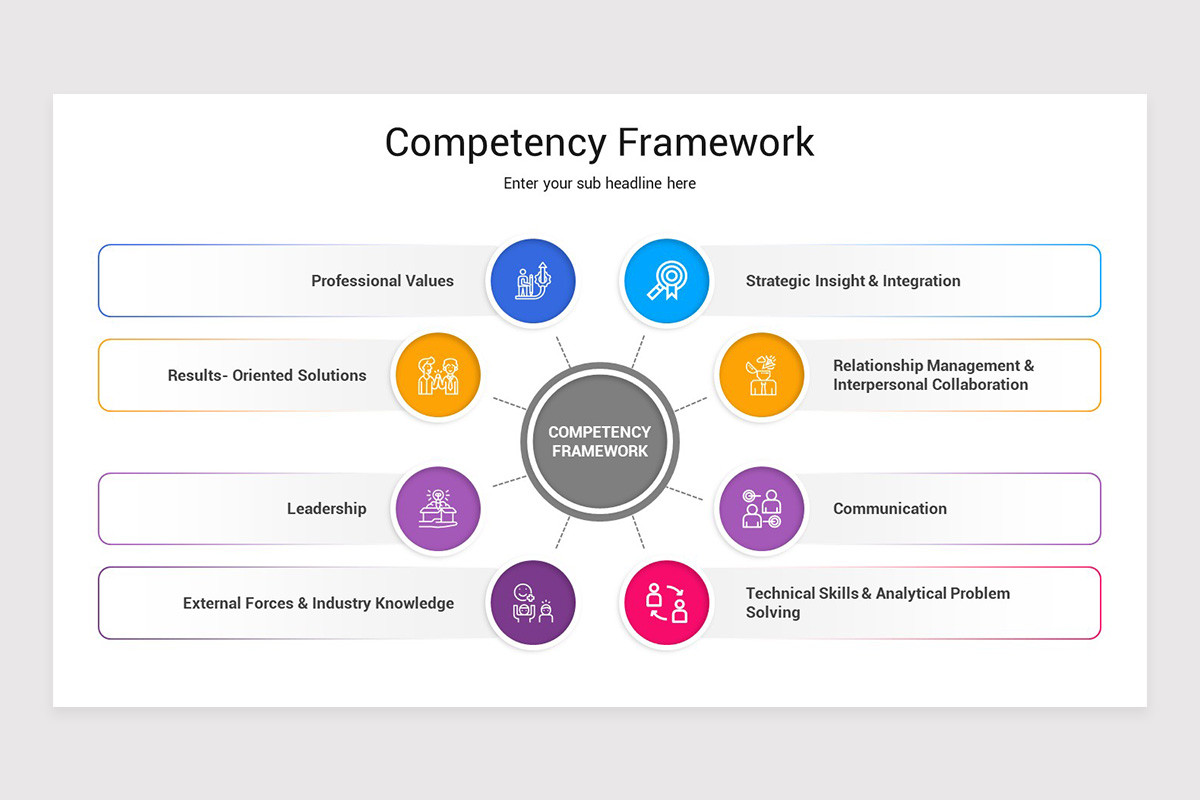
4. Structuring Your Team: Expertise vs. Platform
Once you know the roles and skills you need, you have to decide how to organize them. This is a key strategic decision with significant implications for efficiency, skill development, and collaboration. The most common debate is whether to structure the team by channel/platform or by function/expertise.
This article from Funnel.io breaks down the two approaches and makes a strong case for one over the other.
Imagining the ideal performance marketing team structure
The article 'Imagining the ideal performance marketing team structure' by Funnel.io explores two primary models for team organization. It provides a clear argument that will help you think through the best structure for your goals.
Read the sections 'Two ways to structure your performance marketing team,' 'Expertise-specific roles in your performance marketing team,' and 'Why roles based on expertise are better than platform-specific roles.' This will help you understand the strategic trade-offs between different organizational models.
As the article argues, a structure based on expertise (e.g., Data Analyst, Creative Strategist, Campaign Strategist) is generally more effective for a few reasons:
- Holistic View: It encourages a holistic, cross-channel approach rather than siloed, platform-specific thinking.
- Deep Skills: It allows individuals to become true experts in a function (like analysis or strategy) that can be applied across any platform.
- Innovation: It brings diverse skillsets together to solve complex problems, fostering more innovative solutions.
Your background managing a social media team likely gave you experience with a platform-specific structure. As you move into a broader leadership role, thinking in terms of an expertise-based structure will be key to developing a more scalable and strategic marketing function.
Test your understanding!
You have been hired as the new Head of Performance Marketing for a growing e-commerce company that sells high-end consumer electronics. The current "analytics team" consists of one junior marketer who is overwhelmed with pulling weekly performance reports from Google Ads and Meta Ads.
Your goal is to build a small, effective analytics function over the next 12 months. Based on what you've learned, what are the first two roles you would prioritize hiring? For each role, list two key responsibilities and two essential skills you would look for.
Show answer
Here is a sample answer based on the concepts from the lesson:
Role 1: Marketing Data Analyst
- Key Responsibilities:
- Automate foundational reporting (channel performance, funnel metrics) to free up time for deeper analysis.
- Conduct deep-dive analyses to answer key business questions (e.g., "Which channels are acquiring our most valuable customers?", "What is the LTV of customers acquired through different campaigns?").
- Essential Skills:
- Technical Proficiency: Strong SQL skills to query the data warehouse and proficiency with a data visualization tool (like Tableau or Power BI) to build dashboards.
- Business Acumen & Communication: The ability to understand business context and communicate complex findings clearly to non-technical stakeholders (the "Storytelling" skill).
Role 2: Data Engineer (or Analytics Engineer)
- Key Responsibilities:
- Build and maintain reliable data pipelines from marketing platforms (Google Ads, Meta, etc.) into a central data warehouse.
- Create clean, well-structured, and trustworthy data models that the Marketing Data Analyst can easily use for their analysis (the "Governance" function).
- Essential Skills:
- Data Modeling & Warehousing: Experience with data warehousing solutions (like BigQuery, Snowflake, or Redshift) and data transformation tools (like dbt).
- System Integration: Knowledge of APIs and data extraction methods to ensure all relevant marketing and sales data is captured accurately and consistently.
Justification: This combination addresses the most urgent needs. The Data Engineer builds the reliable data foundation, fixing the root cause of the data-wrangling problem. The Marketing Data Analyst then uses this foundation to move the team up the value chain from basic reporting to actionable insights, directly supporting strategic decisions. This duo forms the core engine of a modern analytics function.
Conclusion
Designing your marketing analytics team is a strategic exercise that goes far beyond writing job descriptions. It's about defining the value you expect the team to create, identifying the distinct functions required to deliver that value, and structuring the team in a way that fosters deep expertise and collaboration.
Key Takeaways:
- Start with Purpose: The goal of an analytics team is not just to report data but to generate insights that drive strategic business decisions.
- Define Functions, Not Just Titles: Understand the core functions needed—like business translation, data engineering, analysis, and storytelling—and ensure they are covered, even if one person fills multiple roles.
- Hire for Competencies: Look beyond job titles to the specific, measurable skills required for success, including both technical prowess and business acumen.
- Structure for Strategy: An expertise-based team structure generally promotes a more holistic, innovative, and scalable approach compared to a platform-siloed model.
Preview of Your Next Lesson:
Now that you have a framework for defining the roles you need, the next logical step is to hire the right people to fill them. In our next lesson, we will cover how to "Design a structured interview process and scorecard for hiring marketing analysts and specialists." This will equip you to translate your team design into a rigorous and effective hiring process.