
Hello! Welcome back.
In our last lesson, you built a complete AI-assisted editing workflow, transforming you into an efficient editor-in-chief for your SaaS ventures. You now have the skills to go from a raw idea to a polished, on-brand article.
Today, we're kicking off Module 4: Launch Strategy & Distribution Channels. We'll start with one of the most critical launchpads for any new SaaS: Product Hunt. A successful launch here can provide the initial burst of traffic, feedback, and paying customers that every founder dreams of.
This lesson directly addresses the learning outcome: Identify and create an outreach plan for top Product Hunt hunters relevant to your SaaS niche. We'll cover the tactical steps to find influential people on the platform and how to approach them professionally to maximize your launch day impact.
1. The "Hunter" Dilemma: To Hunt or Be Hunted?
Before we dive into finding people, let's address the most fundamental question: Do you even need someone else to "hunt" (i.e., post) your product? There's a lot of conflicting advice online, so let's go straight to the source.
The official stance from Product Hunt is quite clear and should be reassuring for a founder looking to move fast.
How to launch on Product Hunt (OFFICIAL GUIDE)
This official guide from Product Hunt itself clarifies the roles of 'makers' and 'hunters' and gives some surprising statistics about who posts the most successful products.
Please watch the segment from 00:10:17 to 00:13:03. Pay close attention to the definition of a hunter, the statistics on makers hunting their own products, and the advice on whether finding a hunter should be a blocker.
The key takeaway from Product Hunt is that you can, and often should, hunt your own product.
- A Maker is anyone who helped build the product (that's you!).
- A Hunter is anyone who posts a product. A Maker can also be the Hunter.
- Statistically, around 79% of featured products and 60% of #1 products are hunted by the makers themselves.
So, if you can just post it yourself, why does everyone talk about finding a "top hunter"? The answer lies in the analogy of social media influencers.
15 Best Product Hunters for Your Dream Launch
The article '15 Best Product Hunters' provides a great explanation for why you might still consider getting a top hunter for your launch.
Read the section titled 'Why not Hunt yourself?'. It explains the benefits a hunter can bring, comparing them to a social media influencer.
A top hunter with a large, relevant following can give your launch an initial boost. When they hunt a product, their followers get a notification, which can drive a valuable first wave of attention and upvotes.
Our strategy: You should be fully prepared to hunt your own product. However, creating a shortlist of ideal hunters and reaching out to them is a low-cost, high-potential-upside activity. It's a strategic option, not a launch-critical dependency.
2. How to Identify Relevant Hunters
Finding a hunter isn't about picking the person with the most followers. It's about finding someone whose interests and audience align with your SaaS product. A hunter who loves developer tools is a poor fit for a marketing SaaS, and vice-versa. Here is a tactical, step-by-step process to build your target list.
15 Best Product Hunters for Your Dream Launch
The same article provides a clear, actionable guide to finding the right hunter. We'll use this as our playbook.
Read the section 'Finding the Right Product Hunt Hunter'. Focus on the four steps outlined: Identify Your Product Category, Search for Hunters, Evaluate Their Experience, and Shortlist.
Let's break down that process into an actionable plan:
Step 1: Define Your Niche
What category does your SaaS fall into? (e.g., Developer Tools, AI, Productivity, Marketing, Fintech). Be specific.
Step 2: Search for Hunters
- On Product Hunt: Search for 5-10 successful products that are similar to yours or target the same customer profile. On each product page, the hunter is listed with an "H" icon next to their name. Start your list there.
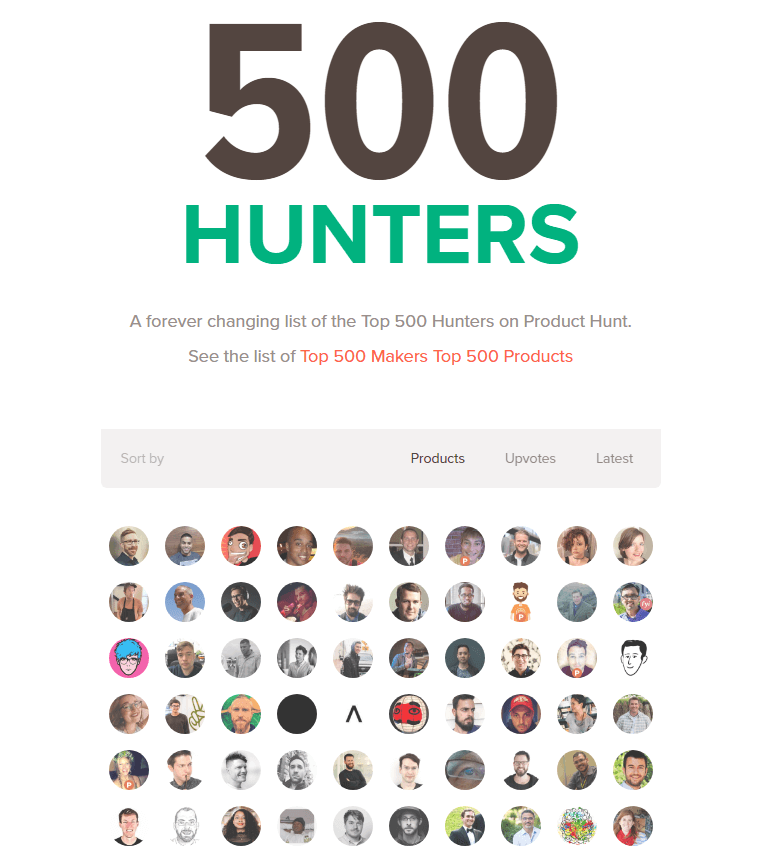
- Hunter Leaderboards: Use third-party tools that rank hunters. The most well-known is Upvote Bell's Leaderboard, mentioned in the article. This is a great place to discover active and influential community members.
Step 3: Evaluate and Shortlist
For each hunter on your potential list, create a simple profile in a spreadsheet. Track the following:
- Niche Alignment (Most Important): Look at the last 10-20 products they've hunted. Do they match your category?
- Performance: What is their average number of upvotes per hunt? (You can find this on leaderboards).
- Activity: When was their last hunt? You want someone who is currently active.
- Social Presence: Check their Twitter/X and LinkedIn profiles. Do they have an engaged audience that matches your Ideal Customer Profile?
As a starting point, the resource you just read provides a list of well-known hunters and their interests.
15 Best Product Hunters for Your Dream Launch
To kickstart your list, the article includes a table of prominent hunters.
Scan the table under the 'Top 15 Product Hunt Hunters of 2023' section. Note the 'Interest' column—this is key for determining relevance.
Use this list, but remember that your own research into niche-specific hunters is what will yield the best results.
3. Creating Your Outreach Plan
Once you have a shortlist of 3-5 highly relevant hunters, it's time to create your outreach plan. Your approach should be professional, respectful of their time, and relationship-focused.
15 Best Product Hunters for Your Dream Launch
Let's review the best practices for contacting hunters.
Read the section 'Best practices for engaging with Hunters'. Pay attention to the advice on personalizing your message, being brief, and providing value.
Here is a simple plan incorporating those best practices:
1. Timing: Reach out at least 2-4 weeks before your planned launch date. Top hunters are busy and often plan their schedules in advance.
2. The "Soft" Ask: Your goal is to start a conversation, not make a demand.
- Do not ask "Will you hunt my product?" in the first email.
- Instead, ask for feedback. This is a much more collaborative and respectful approach.
3. The Outreach Message: Craft a short, personalized email or Twitter DM.
- Subject Line: Make it clear and intriguing. e.g., "Feedback on a new AI dev tool?"
- Personalization: Start by mentioning a specific product they hunted that you admired. This shows you've done your research. (e.g., "Hi [Name], I was really impressed with your launch of [Similar Product].")
- The Pitch: Briefly explain what your product is, who it's for, and what problem it solves. (1-2 sentences).
- The Ask: "Since you're an expert in this space, I was hoping you might be willing to take a quick look and share any initial feedback."
- Make it Easy: Include a link to a landing page, a short demo video, or a document with all the launch assets (which we'll cover in the next lesson).
4. Follow-up: If you don't hear back, a single, polite follow-up message about a week later is acceptable. If there's still no response, move on.
5. The Contingency Plan: If nobody replies or they decline, don't worry! Remember the data from the start of this lesson. Your primary plan is to hunt the product yourself. This outreach is simply an extra shot at getting an early boost.
Test your understanding!
Imagine you've built a SaaS called "MetricFlow," an AI-powered business intelligence (BI) tool for B2B companies. Using the list of hunters from the resource LINK, identify one potentially good-fit hunter and explain your choice.
Show answer
A great choice would be Neeraj Thakur.
Justification: The resource lists his interests as "B2B, BI tools, AI, Cyber Security." Your product, "MetricFlow," fits perfectly within three of those categories (B2B, BI tools, AI). This strong niche alignment means he is more likely to be interested in your product and his audience of followers is more likely to be your target customer.
Conclusion
You now have a complete, practical strategy for engaging with the Product Hunt ecosystem. This isn't a mystical process but a methodical one of research, evaluation, and professional communication.
Key Takeaways:
- Self-hunting is the default: You don't need a top hunter to succeed, and being prepared to launch yourself gives you full control.
- Relevance trumps fame: The best hunter for your product is one whose audience matches your ideal customer, not necessarily the one with the most followers.
- Build relationships, don't make demands: Approach hunters by asking for feedback, not by asking them to hunt your product.
- Your outreach is a bonus, not a dependency: A successful outreach is a nice-to-have that can amplify your launch, not a make-or-break requirement.
Preview of the Next Lesson:
Whether you secure a top hunter or decide to hunt your product yourself, you will need a compelling set of assets for your launch page. In our next lesson, "Prepare a complete set of launch assets for Product Hunt," we will dive into crafting the perfect name, tagline, description, and visuals to capture the attention of the Product Hunt community. The content creation and editing skills you've already mastered will be essential.