
Hello! Welcome back to our journey into the science of dreaming.
In our last lesson, we explored the Threat Simulation Theory (TST), which posits that dreaming is an evolutionary adaptation—a kind of virtual reality simulator—that allows us to safely rehearse our responses to dangerous situations. This theory provides a powerful explanation for why so many of our dreams are tinged with anxiety, fear, and conflict.
Today, we will examine a complementary theory that looks at the same emotional dream content from a different angle. Instead of seeing dreams as preparation for the future, this theory views them as a way of healing from the past. Our goal for this lesson is to address the learning outcome: Explain the emotional regulation theory of dreaming. We will explore how dreaming functions as a form of "overnight therapy," helping to process difficult experiences and regulate our emotional lives.
This concept of the brain automatically working to resolve "emotional baggage" during sleep provides a fascinating scientific parallel to the goals of many contemplative practices, including the Jain practice of Preksha Dhyaan, which seeks to consciously purify mental and emotional dispositions (adhyavasay). Understanding the brain's natural process is a key first step before we later explore how one might consciously engage with it.
What is Emotional Regulation?
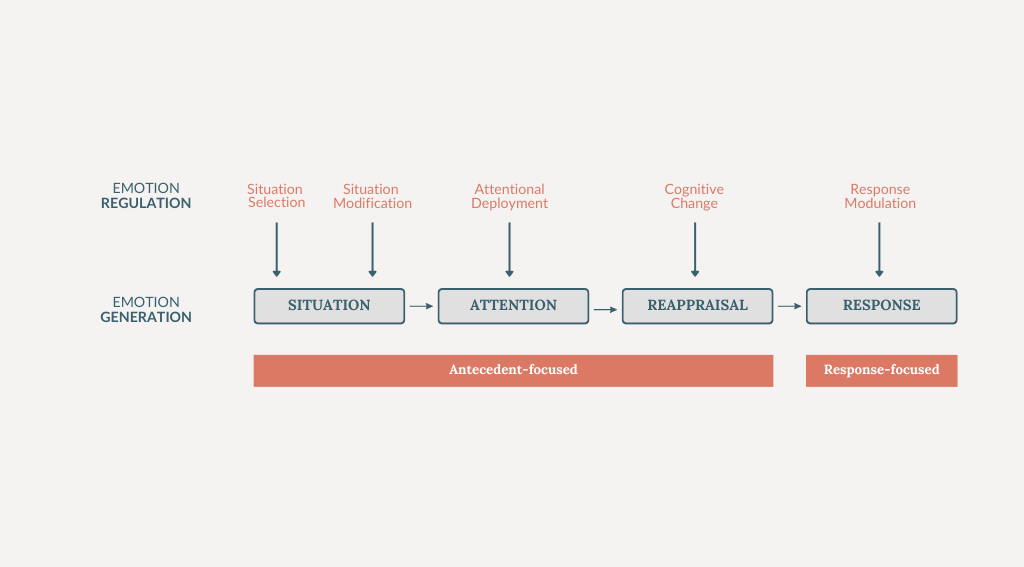
Before we discuss how dreams regulate emotion, let's briefly define what "emotional regulation" means. In psychology, it refers to the processes we use to influence which emotions we have, when we have them, and how we experience and express them. It's not about suppressing emotions, but about managing them effectively.
Dreaming as "Overnight Therapy"
The emotional regulation theory of dreaming proposes that one of the primary functions of dream sleep is to process and dampen the emotional charge of our waking experiences, particularly those that are difficult or painful.
Let's begin by hearing this idea explained by two leading experts in sleep science and psychology.
Why we dream during sleep | Matt Walker and Lex Fridman
First, let's watch a clip featuring sleep scientist Matt Walker. He memorably describes dreaming as a form of 'emotional first aid' and a 'nocturnal soothing balm.'
Please watch from 02:07 to 03:20. Pay attention to the analogy he uses to describe how dreams take the 'sharp edges off' difficult experiences.
How To Transform Your Mental Health: The Hidden Power of Dreams
Next, psychiatrist Dr. Tracey Marks frames this concept in the context of mental health and resilience, calling dreaming the brain's 'internal therapy session' and 'emotional weightlifting.'
Please watch two short segments: first, from 01:40 to 02:18, and then from 07:00 to 07:36. Note how she connects dreaming to processing problems, building resilience, and strengthening our ability to handle difficult situations.
As both experts suggest, the idea is that sleep doesn't just help us remember things; it helps us feel better about them. This isn't just a metaphor. There is a specific neurobiological mechanism believed to be at work, primarily during REM sleep.
The "Sleep to Forget, Sleep to Remember" Model
So, how does the brain accomplish this "overnight therapy"? The leading explanation is a model often called "Sleep to Forget and Sleep to Remember" (SFSR).
The core idea is that REM sleep allows the brain to achieve two seemingly contradictory goals simultaneously:
- Strengthen the memory of an event (the "remember" part).
- Strip away the visceral emotion or anxiety associated with that memory (the "forget" part).
This process ensures that you can learn from significant life events without being perpetually crippled by the emotional trauma of them. The memory remains, but the emotional charge is diffused.
The key to this process lies in the unique neurochemical environment of REM sleep.
Why we dream during sleep | Matt Walker and Lex Fridman
Let's return to the clip of Matt Walker. Here, he explains the unique brain state during REM sleep that makes this emotional processing possible.
Please watch from 09:44 to 13:35. As you watch, focus on his description of: What happens to the 'rational' part of the brain (the prefrontal cortex). What happens to emotional centers like the amygdala. The crucial change in the level of a specific neurochemical: noradrenaline (also known as norepinephrine).
As Matt Walker explained, the brain effectively replays emotional experiences from the day, but it does so in a state where the stress-related neurochemical, noradrenaline, is completely absent. Noradrenaline is the brain's equivalent of adrenaline; it's a key ingredient in the "fight-or-flight" response and feelings of anxiety.
By re-processing the memory without this chemical, the brain weakens the link between the memory and the emotional reaction. It's like re-watching a scary movie with the sound turned off—you can follow the plot without the jump scares. After several such "viewings" over a night of sleep, the memory is consolidated, but its power to trigger an emotional reaction is significantly reduced.
For a more detailed, scientific look at this model, you can explore the academic paper that formally proposed it.
Overnight Therapy? The Role of Sleep in Emotional Brain ...
The paper 'Overnight Therapy? The Role of Sleep in Emotional Brain ...' by van der Helm and Walker provides the definitive scientific explanation for this theory. We'll focus on the section that outlines the SFSR model.
Please read the section titled 'Emotional-memory processing: A sleep to forget and sleep to remember (SFSR) hypothesis'. Don't worry about understanding every technical detail. Focus on grasping the main argument: how REM sleep's unique neurobiology allows it to decouple the emotional tone from the memory itself, preventing a state of chronic anxiety. Pay attention to the description of Figure 7, which visually summarises the model.
Test your understanding!
Imagine you have a very stressful argument with a colleague. That night, you have an anxious dream involving your workplace. According to the emotional regulation theory, what is your brain trying to do?
Show answer
Your brain is likely replaying the emotional experience of the argument in the low-noradrenaline environment of REM sleep. The dream itself might feel anxious, but the underlying process is therapeutic. The brain is working to separate the stressful feelings from the memory of the argument. The goal is that in the following days, you'll be able to remember the content of the argument and learn from it, but without re-experiencing the same intense rush of anger or anxiety.
Evidence for the Theory
This is more than just a good story; there's significant evidence to back it up.
1. The Effects of Sleep Deprivation:
If sleep helps regulate emotion, then a lack of sleep should disrupt it. This is precisely what studies find. Research using fMRI brain scans shows that after a night of sleep deprivation, the amygdala—the brain's emotional alarm center—becomes hyper-reactive to negative stimuli. The connection to the prefrontal cortex, which normally helps to control the amygdala, is weakened. In simple terms, without sleep, our emotional gas pedal gets stuck, and our brakes fail. The Overnight Therapy? paper you just looked at describes these findings in the section titled "Sleep loss, mood stability and emotional brain (re)activity."
2. Dream Content and Mood Regulation:
Another line of evidence comes from the pioneering work of researcher Rosalind Cartwright. She studied people going through major life stressors, like a painful divorce.
The Science of Sleep: Regulating Emotions and the 24-Hour Mind
This article from Farnam Street blog provides a great summary of Rosalind Cartwright's 'mood regulatory function of dreams theory.'
Please read the section that starts with 'Despite differences in terminology...'. Focus on how she proposes that dreaming diffuses the emotional charge of an event by connecting it to older, similar memories.
Cartwright's famous studies found that women who were depressed following a divorce and who subsequently dreamed about their ex-spouses were the ones most likely to recover from their depression a year later. Those who avoided dreaming about the topic did not recover as well. This supports the idea that dreaming isn't just a symptom of distress, but an active part of the resolution process. It's not just that we dream, but what we dream about that helps us heal.
Connecting the Theories: Threat Simulation and Emotional Regulation
So how does this theory fit with the Threat Simulation Theory (TST) from our last lesson? They are not mutually exclusive; in fact, they likely describe two sides of the same coin.
- TST focuses on the future: It's a proactive simulation to prepare for potential threats.
- Emotional Regulation Theory focuses on the past: It's a retroactive process to heal from events that have already occurred.
A nightmare about a car crash you experienced could be seen as:
- An attempt to regulate the emotion from the past trauma (stripping away the fear).
- A threat simulation to rehearse how you might avoid a similar accident in the future.
Both functions can operate at the same time, using the same dream content. Dreaming appears to be a multi-purpose tool that helps us navigate an emotionally complex and often dangerous world.
Conclusion
Today we've explored the fascinating idea that our brains use dreams as a form of self-administered therapy. This process helps us to hold onto the valuable lessons from our experiences while letting go of the painful emotions tied to them.
Key Takeaways:
- The Emotional Regulation Theory posits that dreaming, particularly during REM sleep, helps process emotional experiences and reduce their intensity.
- The primary mechanism is the "Sleep to Forget, Sleep to Remember" (SFSR) model.
- During REM sleep, the brain replays emotional memories in a unique state characterized by an absence of the stress chemical noradrenaline, which helps to decouple the memory from its emotional charge.
- This process allows us to preserve the informational content of a memory while shedding its painful, visceral impact.
- Evidence for this theory comes from neuroimaging studies of sleep-deprived individuals (who show a hyper-reactive amygdala) and clinical studies showing that dreaming about stressful events can predict emotional recovery.
Preview of the Next Lesson:
We've now looked at two major theories about the function of dreaming: simulating threats and regulating emotion. But this raises a new question: How does the brain select the specific content for these nightly dramas? In our next lesson, we will "Describe the continuity hypothesis linking waking life to dream content," exploring the idea that our dreams are a direct and meaningful continuation of our waking thoughts, concerns, and activities.