Hello! Welcome to the final lesson of our module on managing and scaling your Amazon business.
In our last lesson, we explored how to use automated repricing tools as an aggressive strategy to win the Buy Box and scale your sales. Today, we shift from offense to a critical defensive and foundational topic: compliance. Building a sustainable, long-term business requires a solid understanding of your legal and financial obligations.
This lesson will address the learning outcome: Outline the tax and compliance requirements for selling in the US market (sales tax).
For many international sellers, US sales tax seems incredibly complex. The good news is that for selling on major marketplaces like Amazon, Walmart, and TikTok Shop, recent laws have made it far more manageable. We will break down exactly what you need to know, what the marketplaces handle for you, and when you need to take action yourself.
1. Your Best Friend: Marketplace Facilitator Laws
Let's start with the single most important concept for your business goals. In the past, sellers were responsible for calculating, collecting, and paying sales tax in every state where they had a "nexus" (a connection, which we'll define shortly). This was a major headache.
However, this has changed. Nearly every US state with a sales tax has enacted Marketplace Facilitator Laws. These laws shift the legal responsibility for handling sales tax from you, the third-party seller, to the marketplace platform itself.
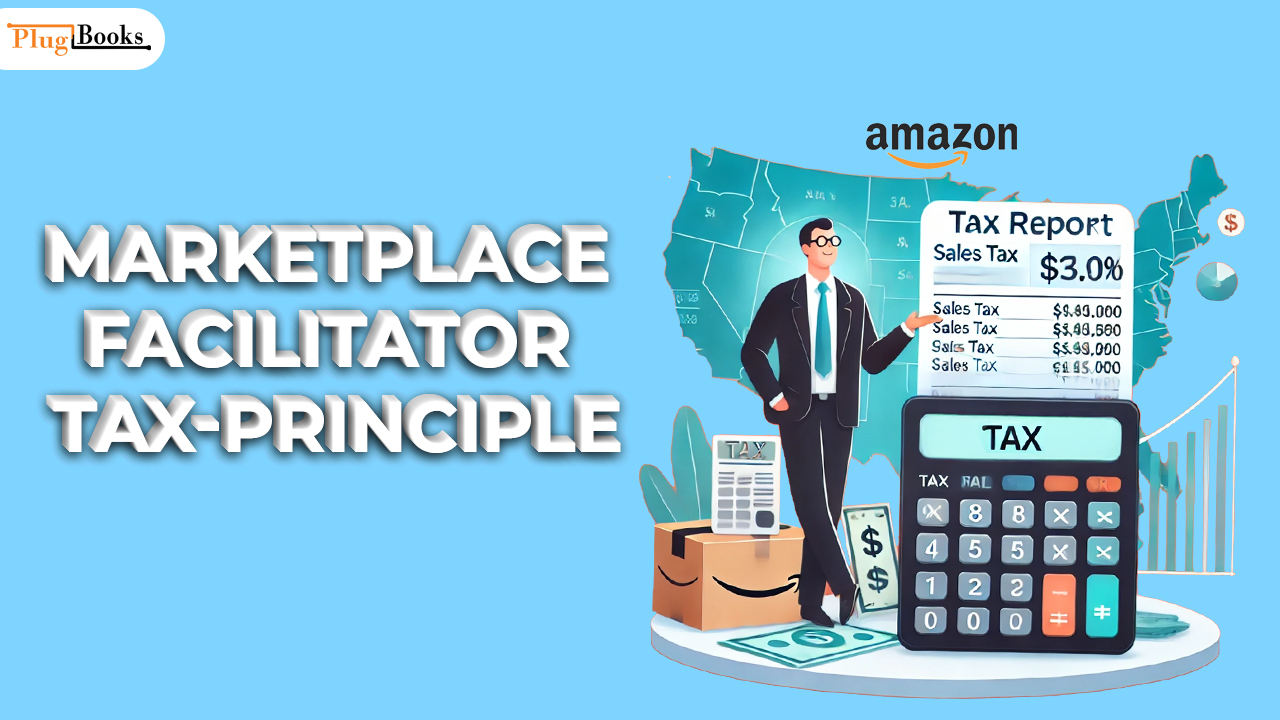
For your sales on Amazon, Walmart, and TikTok Shop, the platform will automatically:
- Calculate the correct sales tax based on the customer's location.
- Add it to the customer's bill and collect it.
- Remit (pay) the tax directly to the relevant state authorities.
This dramatically simplifies compliance for you. To see this explained specifically for Amazon sellers, let's watch a quick video.
2023 UPDATE - Do Amazon Sellers Need to Worry About Sales Tax?
This short video, 'Do Amazon Sellers Need to Worry About Sales Tax?', gets straight to the point and explains how Amazon, as a marketplace facilitator, takes care of sales tax for you.
Watch the segment from 00:30 to 01:39. Focus on how the law makes Amazon the responsible party, simplifying the process for both sellers and state governments.
This is fantastic news for your plan to sell remotely on these platforms. It removes one of the biggest administrative burdens of selling in the US.
2. Understanding "Nexus": Your Connection to a State
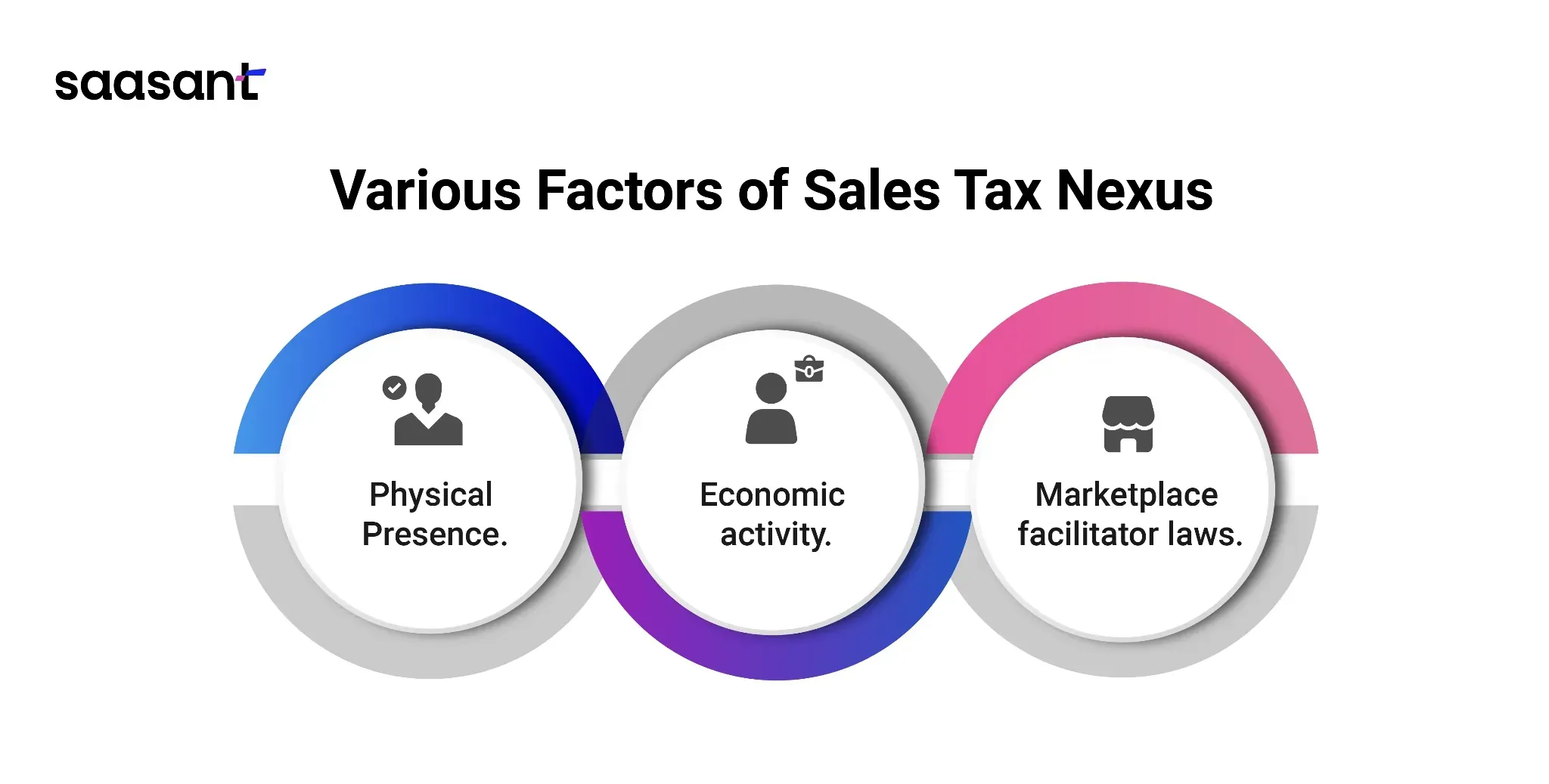
While marketplaces handle the tax on their platform, it's still crucial to understand the concept of nexus. Nexus is a legal term that means a business has a strong enough connection to a state that the state can require it to comply with its tax laws. Understanding this is vital if you ever decide to sell through your own website or use other fulfillment services.
There are two primary types of nexus for e-commerce sellers:
- Physical Nexus: This is the traditional form, created by having a physical presence in a state. This includes an office, employees, or, most importantly for e-commerce, inventory stored in a warehouse.
- Economic Nexus: This is a more recent development. It's created by having a certain amount of economic activity in a state, even with no physical presence. The common threshold is $100,000 in sales OR 200 separate transactions into that state within a year.
To get a solid grasp of these concepts, we'll turn to a comprehensive article from Stripe and then a detailed video explanation.
Amazon FBA sales tax explained
The article 'Amazon FBA sales tax explained' provides clear, written definitions of the fundamental sales tax concepts in the US.
Please read the first two main sections: 'What to know about sales tax in the US': This provides a basic overview of the US tax system. 'Nexus requirements in the US': Focus on the definitions of Physical, Economic, and Inventory Nexus.
Now, let's watch a video that brings these definitions to life with practical examples.
The Uncomplicated Truth about Sales Tax | Online Sales Tax Explained
The video 'The Uncomplicated Truth about Sales Tax' does a great job of explaining what creates nexus in the real world for an online seller.
Watch the segment from 12:53 to 19:42. Pay close attention to the discussion of what constitutes 'people and property' for physical nexus (including FBA inventory) and how economic nexus thresholds work.
The key takeaway is that your business activities (where your inventory is, how much you sell) create a connection, or nexus, with various states.
3. Your Practical Responsibilities as a Seller
So, what does this all mean for you in practice? Let's consider the two most likely scenarios for your business.
Scenario 1: You Sell Exclusively on Marketplaces (Amazon, Walmart, TikTok)
This is the simplest scenario.
- Sales Tax Collection & Remittance: Handled entirely by the marketplaces. You don't need to do anything.
- Registration & Filing: This is where there's a small nuance. Because you have a US business entity (your LLC), you have a physical nexus in your "home state" (the state where the LLC is registered). You are generally required to register for a sales tax permit in that state and file regular sales tax returns.
- Filing "Zero-Dollar Returns": When you file, you will report your total sales but then claim a 100% deduction for "sales made through a marketplace facilitator." This results in $0 tax owed. It's a reporting requirement, not a payment one. Some sellers also choose to do this for states where they have FBA inventory, but the principle is the same.
This next video segment explains this exact situation.
2023 UPDATE - Do Amazon Sellers Need to Worry About Sales Tax?
Let's return to the Amazon-specific video to understand the practicalities of filing zero-dollar returns.
Watch from 01:39 to 03:19 and the summary from 05:49 to 06:54. This covers the reporting liability in your home state and how to file a return showing zero tax due because Amazon handled it.
Scenario 2: You Sell on Marketplaces AND Your Own Website (e.g., Shopify)
This is where you take on more responsibility. The Marketplace Facilitator Laws do not apply to sales on your own site.
- For Your Marketplace Sales: Amazon, Walmart, etc., still handle the sales tax. No change there.
- For Your Website Sales: You are solely responsible. You must:
- Track Your Economic Nexus: Use a software tool (like TaxJar, Avalara, or Shopify's own tax tools) to monitor your sales volume into every state.
- Register When You Cross a Threshold: When the software alerts you that you've hit the economic nexus threshold in a state (e.g., $100,000 in sales to California), you must register for a sales tax permit with that state's Department of Revenue.
- Collect & Remit: Once registered, you must configure your website to collect tax from customers in that state and file regular returns to remit the tax you've collected.
This distinction is the most critical part of US sales tax compliance for a multi-channel seller.
Test your understanding!
You have a US LLC registered in Wyoming. You sell on Amazon FBA and your own Shopify store. In the last 12 months, your sales were:
- Amazon: $250,000 spread across the US.
- Shopify: $80,000 to customers in Texas.
- Shopify: $110,000 to customers in Florida.
What are your sales tax responsibilities?
Show answer
- Amazon Sales: Amazon handles all sales tax collection and remittance for the $250,000 in sales.
- Wyoming (Home State): You have physical nexus here. You must register for a sales tax permit and file regular (likely zero-dollar) returns, deducting all your sales as marketplace sales.
- Texas Sales: Your $80,000 in sales is below the typical $100,000 economic nexus threshold. You do not need to register or collect tax in Texas for your Shopify sales yet.
- Florida Sales: Your $110,000 in sales has crossed the $100,000 economic nexus threshold. You must now register for a Florida sales tax permit, configure your Shopify store to collect Florida sales tax from Florida customers, and begin filing returns and remitting that tax to the state.
4. A Simple Framework and Key Mistakes to Avoid
To wrap this up, let's establish a clear, actionable framework. For an international seller like yourself, the path is straightforward.
The International Seller's Deep Dive into US Sales Tax
This article, written for international sellers, provides a simple compliance framework and clearly lays out the exceptions you need to be aware of.
Please read from the section '2. Your Best Friend: Marketplace Facilitator Laws' to the end of the article. Focus on the sections 'When DO You Need to Worry? The Exceptions' and 'A Simple Compliance Framework'.
Finally, avoiding common mistakes is just as important as knowing what to do. The following video segment highlights three critical "don'ts" based on expensive errors other sellers have made.
The Uncomplicated Truth about Sales Tax | Online Sales Tax Explained
To finish, let's watch the segment on common costly mistakes from 'The Uncomplicated Truth about Sales Tax'. This is highly practical advice.
Watch the final segment on the 'three big don'ts' from 44:17 to 46:05. These are crucial rules to prevent creating unnecessary compliance problems for yourself.
Conclusion
Congratulations on completing the module on managing and scaling your Amazon business! You've learned how to monitor account health, compete effectively on price, and now, how to navigate the fundamentals of US sales tax compliance.
Key Takeaways:
- Marketplaces Handle Most of It: For sales on Amazon, Walmart, and TikTok Shop, the platform is legally responsible for collecting and remitting sales tax thanks to Marketplace Facilitator Laws.
- Nexus is Key: A "nexus" (physical or economic) is the connection to a state that creates a tax obligation. Storing FBA inventory can create physical nexus, and high sales volume creates economic nexus.
- Your Responsibility Depends on Your Channels: If you sell only on marketplaces, your main task is filing a simple zero-dollar return in your home state. If you sell on your own website, you are responsible for tracking nexus, registering, and remitting tax for those sales.
- Don't Over-Complicate: Avoid common mistakes like registering in states where you have no obligation or turning on tax collection before you are registered.
Next Up:
With this solid foundation in Amazon management, you're ready to expand to new platforms. In our next module, we'll dive into the fast-growing world of TikTok Shop, starting with how to set up your seller account and connect it to your business.