
Здравствуйте! In the previous lesson, you built the essential Cyrillic decoding habit: see a Russian letter, retrieve its Russian sound, then blend the word rather than trusting its resemblance to English. You also met и and ы as separate letters. This lesson turns that recognition into a listening-and-speaking skill.
The contrast is important because Russian speakers hear и and ы as different sounds, and because each normally goes with a different kind of preceding consonant. By the end, you should be able to hear the broad difference, make both sounds deliberately, and pronounce several high-frequency words such as мы, ты, сыр, был, and бить.
Since your study sessions are 15–20 minutes, treat this as two short sittings: first, learn the mouth positions and watch the video; next, do the word and listening routine aloud.
Two distinct vowels—not two spellings of English “ee”
The letter и represents the vowel [i], close to the vowel in English see or keep.
- и: front, high “ee” vowel
- Examples: имя (name), мир (peace; world), пить (to drink)
The letter ы represents [ɨ], a vowel that does not have an exact English equivalent.
- ы: high vowel made farther back in the mouth
- Examples: мы (we), ты (you, informal), сыр (cheese), был (was)
Do not aim to make ы into English uh, oo, or the short vowel in bit. It is closer to an “ee” sound whose tongue has moved back away from the front teeth.
The letters also give you a useful reading clue:
| Letter after a consonant | What normally happens |
|---|---|
| и | The consonant before it is soft: ми, би, пить |
| ы | The consonant before it stays hard: мы, бы, был |
“Soft” does not mean quieter or gentler. It means that the consonant is pronounced with the middle of the tongue raised toward the hard palate. You will study hard and soft consonants systematically in the next lesson. For now, learn the contrast as a whole syllable:
- ми is not simply “m + ee”; it begins with a soft м.
- мы begins with a hard м, followed by ы.
That is why и and ы are best trained in words, not just as isolated letters.
Feel the tongue movement
Start with и.
- Say a long English-style “ee”: и-и-и.
- Keep your lips relaxed or very slightly smiling.
- Keep the tongue tip low, near the lower front teeth.
- The front part of the tongue is raised high.
For ы, begin from that same и position, but move the body of your tongue backward, away from your teeth. Keep your lips unrounded. The sound may initially feel unfamiliar or somewhat “darker,” but do not force it from the throat.
A useful physical sequence is:
и-и-и → ы-ы-ы
The important movement is in the tongue, not in jaw opening or lip rounding. Your mouth can look fairly similar for both vowels.
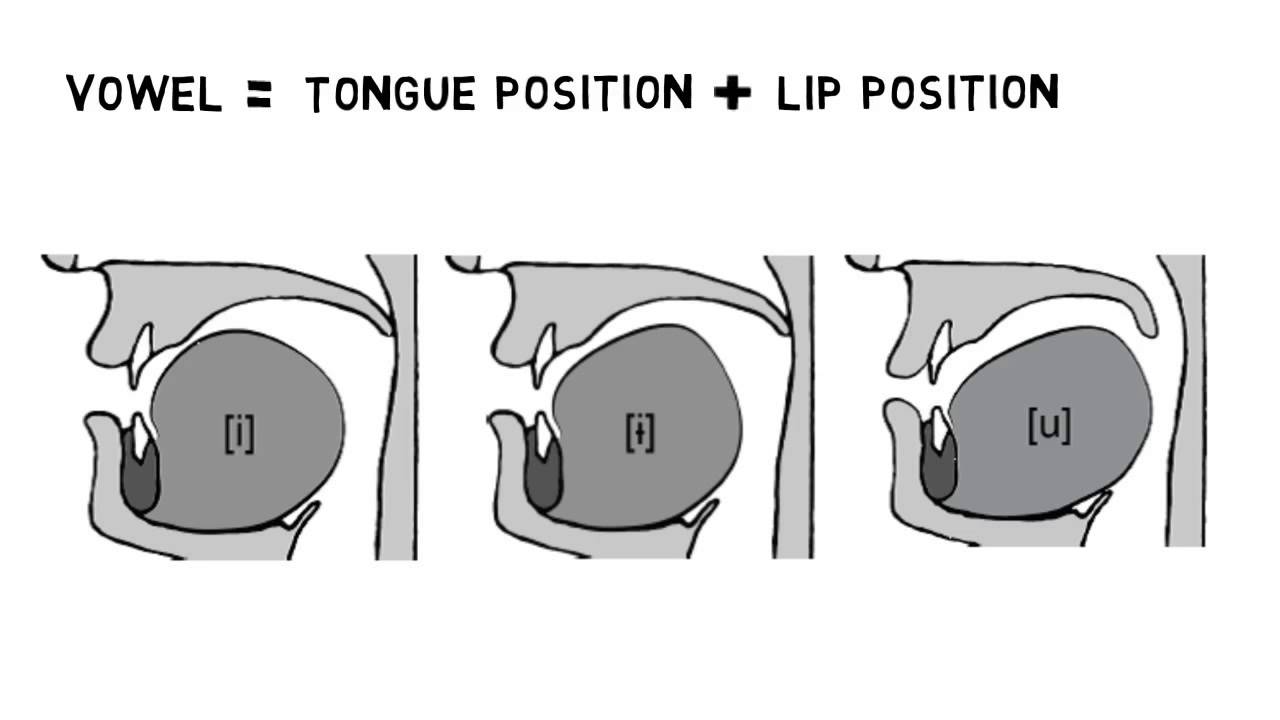
It is normal if your first ы sounds only approximately right. At this stage, success means you can reliably make it different from и, then refine it through repeated listening and imitation.
Watch and imitate the contrast
This short video from learnrussian.org, Russian vowels: the difference between Ы and И, gives a clear demonstration of both mouth positions and then moves into real-word practice.
Russian vowels: the difference between Ы and И
Watch “Russian vowels: the difference between Ы and И” by learnrussian.org to see the tongue-position contrast, hear sustained versions of each sound, and imitate useful word pairs.
First watch the И sound. Notice the tongue near the lower teeth and repeat each example after the speaker. Then watch the Ы methods. The key instruction is to draw the tongue away from the teeth; use the “slight smile” method first, and ignore any method that makes you tense your throat. Finish with word contrasts. Pause after each word, repeat it once slowly and once normally, and listen especially for whether the vowel is the forward и sound or the farther-back ы sound.
While you imitate, avoid two common shortcuts:
- Do not add a “y” sound before ы. Russian мы begins directly with м, not “my.”
- Do not turn ы into an English short “i.” The sound in English bit is too low and too far forward. Keep the tongue high, then pull it back.
Hear the contrast in meaningful words
Some Russian words differ mainly through the и/ы contrast and the corresponding softness or hardness of the consonant before it.
| With ы | Meaning | With и | Meaning |
|---|---|---|---|
| быть | to be | бить | to hit |
| был | was, masculine | бил | hit / was hitting, masculine |
| выть | to howl | вить | to twist; weave |
| мыло | soap | мило | sweetly; nicely |
Take the first pair slowly:
- быть: hard б + ы
- бить: soft б + и
You are not expected to master the meanings of every form here. These pairs are primarily an “ear gym”: they make your mouth and ear notice that the two vowels belong to different sound patterns.
Now add these everyday anchors:
| Word | Meaning | Focus |
|---|---|---|
| мы | we | short hard м + ы |
| ты | you, informal | hard т + ы |
| сыр | cheese | clear ы between consonants |
| сын | son | another common ы word |
| имя | name | word beginning with и |
| мир | peace; world | soft м before и |
| пить | to drink | soft п before и |
| книга | book | hear и inside a longer word |
Notice a spelling pattern: in ordinary everyday Russian words, ы is normally found after a consonant, rather than at the beginning of a word. In contrast, и can begin a word, as in имя.
A short daily speaking-and-listening routine
For the next week, spend five minutes on this sequence. Keeping the routine short helps you practise accurately rather than repeating an approximate sound for too long.
1. Establish the two targets
Hold each sound for about two seconds:
- и-и-и
- ы-ы-ы
- и → ы → и → ы
Keep the tongue tip forward for и; pull the tongue body back for ы.
2. Practise contrast syllables
Say each row slowly three times. Do not rush: the contrast should remain audible.
| Soft-plus-и | Hard-plus-ы |
|---|---|
| ми | мы |
| би | бы |
| ви | вы |
| ти | ты |
| пи | пы |
Some right-hand syllables are used mainly as sound practice rather than as independent words. That is fine: they let you isolate the mouth movement before you use complete words.
3. Use words in a rhythm
Read the following sequence aloud. First leave a short pause between words; then repeat it more smoothly.
мы — ты — сыр — был
имя — мир — пить — бить
быть — бить
выть — вить
If possible, make a brief phone recording of one pass. Listen once without looking at the text. You should be able to identify where you produced и and where you produced ы. If they sound identical, slow down and return to the sustained и → ы movement rather than speaking louder.
What to listen for in real speech
When listening to Russian, do not expect ы to sound like one fixed English vowel. Different speakers have different voices, and speed changes every vowel slightly. Instead, listen for the contrast:
- и tends to have a clearer, more forward “ee” quality and follows a soft consonant.
- ы is farther back and follows a hard consonant.
- The consonant-vowel combination matters: listen to ми versus мы, би versus бы, not just a detached vowel.
At first, use spelling as support. When you see и, prepare the front tongue position and a soft preceding consonant; when you see ы, prepare a retracted tongue position and a hard preceding consonant. With repetition, your ear will begin recognizing the distinction before you consciously inspect the letters.
You have now established the essential contrast:
- и is the high front vowel [i], similar to “ee.”
- ы is the high, farther-back vowel [ɨ], with no exact English match.
- After a consonant, и normally accompanies a soft consonant, while ы accompanies a hard one.
- Train the contrast in complete syllables and words: мы / мир, быть / бить, выть / вить.
Next, you will make the hard-versus-soft consonant distinction explicit and practise it across common Russian word pairs. That lesson will explain more fully why changing a following vowel can change the consonant before it as well.
Can't find a good explanation? Sign up and we'll make it for you
Sign up